MLS Fan Engagement Strategies 2025: Boost Attendance & Sales
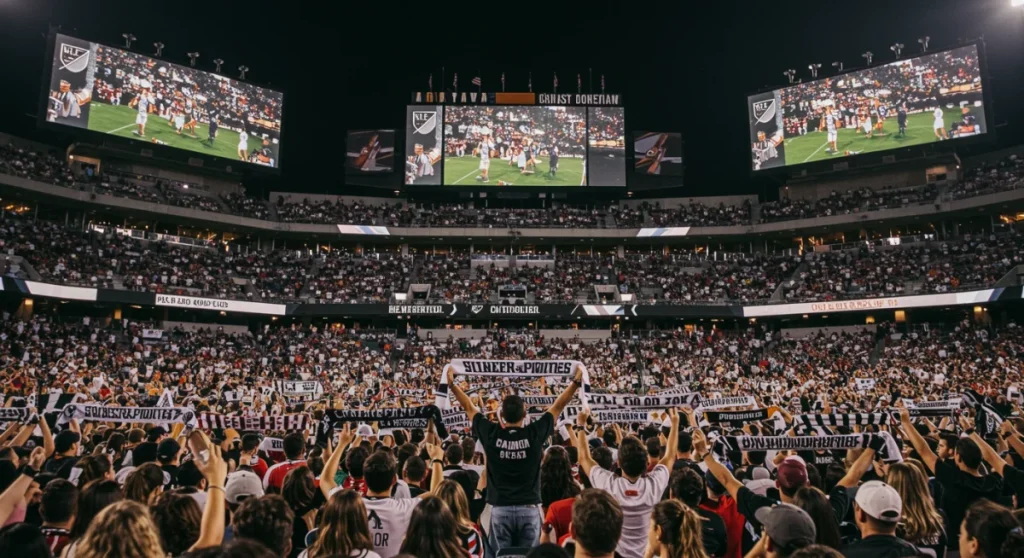
To increase MLS attendance by 5% and boost merchandise sales in 2025, clubs must implement innovative digital fan engagement strategies, focusing on personalized experiences and community building.
As Major League Soccer (MLS) continues its rapid ascent in the North American sports landscape, the imperative to cultivate deeper connections with its growing fanbase has never been more critical. The goal for 2025 is ambitious yet achievable: leverage digital platforms to increase attendance by 5% and significantly boost merchandise sales. This requires a strategic, multi-faceted approach, focusing on innovative MLS fan engagement strategies that resonate with modern consumers and soccer enthusiasts alike.
Understanding the Modern MLS Fan Landscape
The MLS fanbase is remarkably diverse, spanning generations, cultural backgrounds, and digital fluency. To effectively engage this audience, clubs must first understand their preferences, behaviors, and expectations. This understanding forms the bedrock upon which all successful fan engagement strategies are built, ensuring that efforts are targeted and impactful.
Today’s MLS fan is not just a spectator; they are an active participant, seeking immersive experiences that extend beyond the 90 minutes of a match. They desire authenticity, community, and personalized interactions. Digital platforms offer an unparalleled opportunity to meet these demands, creating a seamless and enriching fan journey from pre-match excitement to post-game analysis.
Demographic Shifts and Digital Natives
The rise of digital natives within the MLS fanbase means that mobile-first strategies and interactive online content are no longer optional but essential. Younger fans, accustomed to instant gratification and personalized content, expect clubs to deliver engaging experiences through their preferred digital channels.
- Generation Z and Millennials constitute a significant portion of the MLS audience.
- These demographics prioritize digital interaction and social media engagement.
- Personalization is key to capturing their attention and loyalty.
Furthermore, the global appeal of soccer brings a multicultural dimension to the MLS fanbase. Clubs must consider how to cater to these diverse cultural backgrounds, offering content and experiences that resonate on a personal level. Understanding these nuances allows clubs to craft more inclusive and effective engagement initiatives, fostering a stronger sense of belonging among all fans. This foundational knowledge is crucial for developing strategies that truly connect with the heart of the MLS community.
Leveraging Personalized Digital Experiences
Personalization is no longer a luxury; it’s a fundamental expectation for modern consumers, and MLS fans are no exception. Delivering tailored digital experiences can significantly enhance engagement, making fans feel valued and understood. This approach moves beyond generic content, offering interactions that speak directly to individual preferences and behaviors.
Imagine a fan receiving a notification about their favorite player’s latest stats, a discount on merchandise featuring their most-loved jersey number, or an exclusive invitation to a virtual Q&A with a team legend – all based on their past interactions and stated interests. This level of personalization fosters a deeper connection and encourages continued engagement, ultimately driving both attendance and sales.
Data-Driven Personalization Strategies
The key to effective personalization lies in robust data collection and analysis. Clubs must invest in CRM systems and analytics tools that can track fan behavior across various digital touchpoints, from website visits to app usage and social media interactions.
- Utilize fan data to segment audiences based on interests, demographics, and engagement levels.
- Implement AI-powered recommendation engines for content and merchandise.
- Offer customizable dashboards within club apps for a personalized fan hub.
By understanding what motivates each fan, clubs can deliver highly relevant content, promotions, and experiences. For instance, a fan who frequently watches highlights of a specific player might receive exclusive content related to that player, or an offer for their jersey. This targeted approach not only enhances the fan experience but also optimizes marketing spend, leading to higher conversion rates for both tickets and merchandise.
The ultimate goal is to create a digital ecosystem where every fan feels that their individual preferences are recognized and catered to. This bespoke experience transforms passive viewership into active participation, strengthening loyalty and driving tangible business results. Personalized digital experiences are a cornerstone of future MLS fan engagement.
Enhancing In-Stadium Experience with Digital Integration
While digital platforms are crucial for off-site engagement, their integration into the in-stadium experience offers a powerful opportunity to elevate match day. Bridging the gap between the physical and digital worlds can create a more immersive and interactive environment, encouraging fans to return and to share their experiences.
Imagine fans using a club app to order food and drinks directly to their seats, access instant replays from multiple angles, or participate in real-time polls about game decisions. These integrations not only add convenience but also deepen the connection to the game and the club, transforming a simple attendance into a memorable event. This seamless blend of the physical and digital is vital for modern sports entertainment.
Interactive In-Stadium Digital Features
Clubs should explore various digital technologies to enrich the stadium experience. High-speed Wi-Fi is a prerequisite, allowing fans to fully utilize these features without frustration. The focus should be on practical applications that enhance enjoyment and convenience.
- Mobile ordering for concessions and merchandise to reduce wait times.
- Augmented Reality (AR) filters for social media, allowing fans to share unique content.
- In-app games and contests tied to live match events, with prizes like merchandise or future tickets.
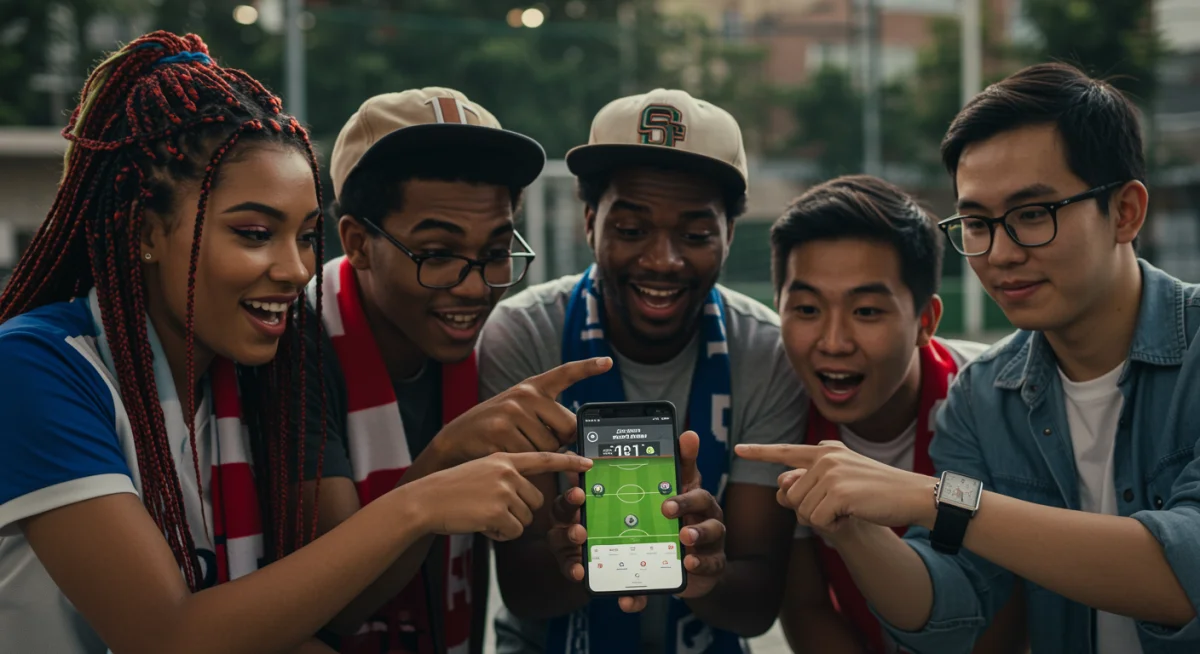
Moreover, interactive digital displays throughout the stadium can provide real-time statistics, player profiles, and fan-generated content, creating a dynamic atmosphere. These screens can also be used for calls to action, such as promoting merchandise sales or upcoming events, in a non-intrusive way. By making the stadium a hub of digital activity, clubs can extend the fan experience beyond the whistle, building lasting memories and fostering a stronger sense of community. This integrated approach ensures that every touchpoint reinforces fan loyalty and drives commercial success.
Building Community Through Social Media and Content
Social media platforms are vital for community building and direct fan interaction. For MLS clubs, these channels offer a direct line to their fanbase, allowing for real-time engagement, content sharing, and the cultivation of a strong brand identity. Effective social media strategies go beyond simply posting updates; they involve creating conversations and fostering a sense of belonging among fans.
By producing authentic, engaging content and actively participating in discussions, clubs can transform followers into dedicated advocates. This approach not only increases visibility but also strengthens fan loyalty, which is crucial for driving attendance and merchandise sales. Social media is the digital campfire where the MLS community gathers.
Engaging Content Strategies
Content is king, and for MLS clubs, this means a diverse range of formats that appeal to different segments of their audience. From behind-the-scenes access to player interviews and historical retrospectives, the content should be varied, high-quality, and consistent.
- Short-form video content for platforms like TikTok and Instagram Reels, showcasing player personalities and game highlights.
- Live Q&A sessions with players and coaches on Facebook or YouTube.
- Fan-generated content campaigns, encouraging supporters to share their game-day experiences.
- Interactive polls and quizzes to gauge fan opinions and preferences.
Beyond traditional content, clubs can also explore niche platforms and formats that cater to specific fan interests. For example, creating a dedicated Discord server for hardcore fans or launching a podcast featuring in-depth tactical analysis. These specialized channels can foster incredibly loyal communities. The goal is to create a continuous stream of engaging content that keeps fans connected to the club even when there isn’t a match. This constant interaction builds anticipation, strengthens emotional ties, and ultimately translates into greater support, both online and offline. A thriving digital community is a thriving club.
Innovating Merchandise Sales via Digital Channels
Boosting merchandise sales is a direct outcome of robust fan engagement. Digital platforms provide an unparalleled opportunity to revolutionize how clubs sell merchandise, moving beyond traditional e-commerce to create immersive and personalized shopping experiences. The aim is to make purchasing team gear as exciting and accessible as possible.
By integrating sales into the broader digital fan journey, clubs can capitalize on moments of peak excitement, such as after a significant win or the launch of a new kit. This strategic placement, combined with innovative technologies, can convert fan passion into tangible revenue, directly impacting the club’s financial health and ability to reinvest in team development.
Advanced E-commerce and Virtual Experiences
Modern e-commerce platforms offer far more than just product listings. Clubs should leverage these capabilities to create dynamic online stores that are seamlessly integrated with their overall digital ecosystem. This includes personalized recommendations and exclusive access.
- Implement virtual try-on technology for jerseys and apparel, allowing fans to see how items look on them.
- Offer exclusive digital merchandise, such as NFTs of iconic moments or limited-edition digital collectibles.
- Create pop-up virtual stores during live streams or game broadcasts, offering time-sensitive discounts.
- Utilize personalized discount codes based on fan loyalty tiers or engagement history.
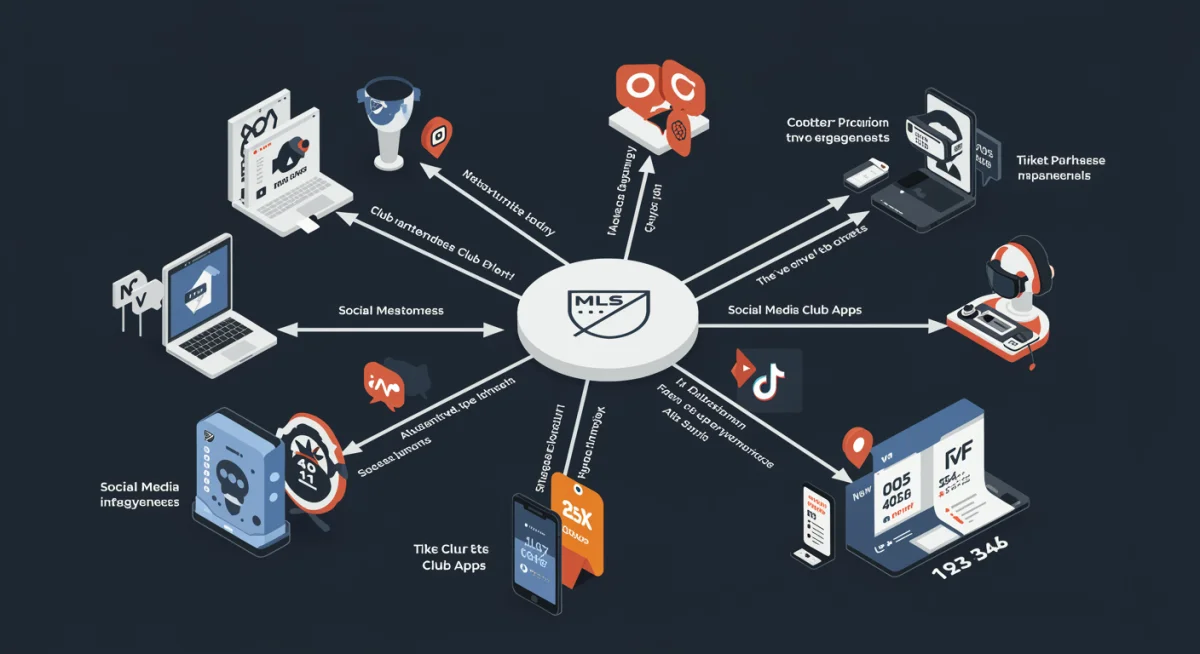
Furthermore, integrating merchandise sales with fan engagement metrics can create powerful incentives. For example, fans who participate in a certain number of digital activities could unlock special discounts or early access to new product launches. This gamification of shopping not only drives sales but also reinforces engagement. The journey from fan to customer should feel intuitive and rewarding, ensuring that every purchase is a celebration of their loyalty. By making merchandise purchasing an integral part of the digital fan experience, clubs can unlock significant revenue growth and strengthen brand affinity.
Measuring Success and Adapting Strategies
Implementing a range of MLS fan engagement strategies is only half the battle; the other half involves meticulously measuring their impact and being agile enough to adapt. In the dynamic digital landscape, what works today might not work tomorrow. Continuous evaluation and refinement are essential to ensure sustained growth in attendance and merchandise sales.
Clubs must establish clear key performance indicators (KPIs) and regularly analyze data to understand what resonates with their audience and what falls flat. This data-driven approach allows for informed decision-making, ensuring that resources are allocated effectively and strategies are optimized for maximum impact. Without measurement, even the most innovative initiatives can lose their way.
Key Performance Indicators (KPIs) for Engagement
Defining the right KPIs is crucial for tracking progress towards the 5% attendance increase and boosted merchandise sales goals. These metrics should provide a comprehensive view of fan behavior and financial outcomes.
- Website traffic and time spent on club pages.
- Mobile app downloads, active users, and in-app engagement rates.
- Social media reach, engagement rate (likes, comments, shares), and follower growth.
- Ticket sales conversion rates from digital campaigns.
- Merchandise sales volume, average order value, and repeat customer rate.
- Fan sentiment analysis from social media and surveys.
Beyond these metrics, qualitative feedback through fan surveys and focus groups can provide invaluable insights into the emotional connection and overall satisfaction. Understanding the ‘why’ behind the numbers is just as important as the numbers themselves. This holistic approach to measurement allows clubs to identify successful strategies, pinpoint areas for improvement, and quickly pivot when necessary. By fostering a culture of continuous learning and adaptation, MLS clubs can ensure their fan engagement efforts remain at the forefront of innovation, consistently driving both attendance and merchandise revenue year after year. The ability to measure and adapt is the ultimate competitive advantage.
| Key Strategy | Brief Description |
|---|---|
| Personalized Digital Experiences | Tailoring content and offers based on fan data to enhance individual engagement and loyalty. |
| In-Stadium Digital Integration | Using technology like mobile ordering and AR filters to enrich the match day experience. |
| Social Media Community Building | Creating engaging content and fostering online discussions to build a strong fan community. |
| Innovative Merchandise Sales | Leveraging virtual try-on, NFTs, and personalized discounts to boost online merchandise revenue. |
Frequently Asked Questions About MLS Fan Engagement
The primary goals for MLS fan engagement in 2025 are to increase overall attendance by 5% and significantly boost merchandise sales. This is to be achieved by leveraging innovative digital platforms and personalized fan experiences.
Digital platforms can increase attendance by offering personalized content, enhancing in-stadium experiences with mobile ordering and AR, and creating engaging social media campaigns that drive interest and ticket purchases.
Personalization boosts merchandise sales by offering tailored recommendations, exclusive discounts based on fan loyalty, and virtual try-on experiences, making shopping more relevant and appealing to individual fans.
Effective social media strategies include short-form video content, live Q&A sessions with players, fan-generated content campaigns, and interactive polls, all aimed at building an active and engaged online community.
Clubs measure success through KPIs like website traffic, app engagement, social media reach, ticket and merchandise sales conversion rates, and fan sentiment analysis, ensuring continuous optimization of strategies.
Conclusion
The future of MLS hinges on its ability to forge deeper, more meaningful connections with its ever-expanding fanbase. By strategically implementing advanced digital platforms and personalized experiences, clubs can not only achieve the ambitious goals of increasing attendance by 5% and boosting merchandise sales in 2025 but also cultivate a loyal, passionate community that sustains growth for years to come. The journey requires continuous innovation, data-driven insights, and a steadfast commitment to understanding and serving the modern soccer fan, ensuring MLS remains at the forefront of sports entertainment.