2026 Draft: Key Metrics for American Defender Scouts
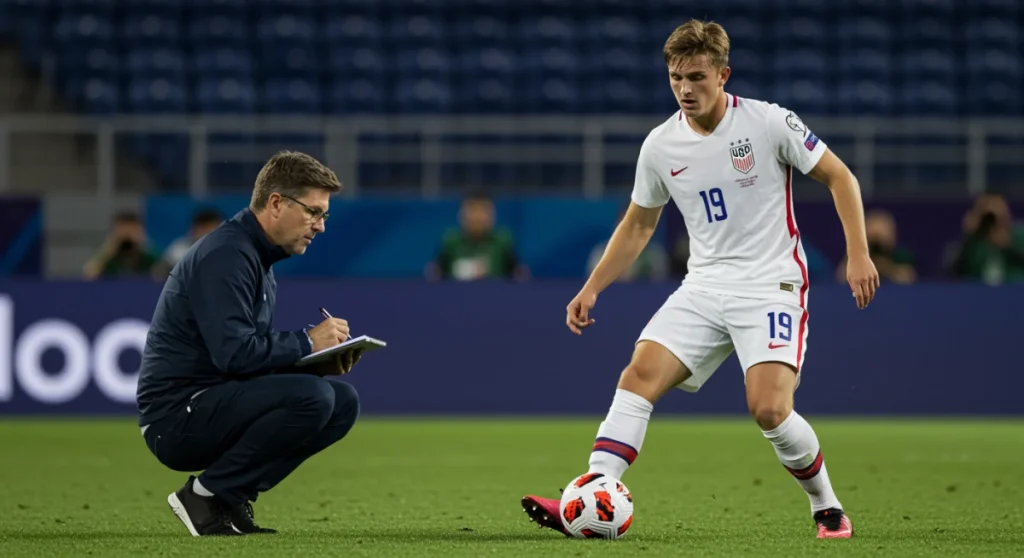
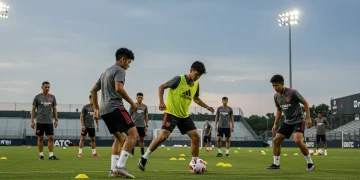
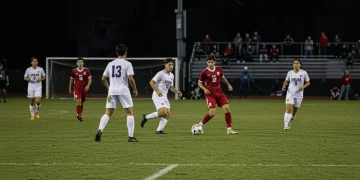
Scouts evaluating American defenders for the 2026 Draft heavily prioritize tactical intelligence, physical prowess, and technical proficiency, forming the bedrock of their assessment process.
Understanding what elite soccer scouts look for in young talent is crucial for aspiring players and their development pathways. When it comes to the highly anticipated 2026 Draft, particularly for American defenders, the evaluation process is rigorous and multi-faceted. This article delves into the American defenders 2026 draft landscape, revealing the three paramount metrics that command a scout’s attention, offering invaluable insight into what it takes to stand out.
The Paramount Importance of Tactical Intelligence
In modern soccer, a defender’s ability to read the game and make intelligent decisions is often more valued than raw physical attributes. Tactical intelligence encompasses a player’s understanding of positioning, anticipation, and the ability to execute defensive schemes effectively. Scouts are not just looking for players who can clear the ball; they seek individuals who understand the flow of the game and can disrupt opposition attacks proactively.
This critical metric is observed in various game situations, from how a defender positions themselves during build-up play to their ability to cover teammates and intercept passes. It’s about being a step ahead, anticipating where the ball will go, and understanding the opponent’s intentions. A defender with high tactical intelligence can organize the backline, communicate effectively, and maintain defensive shape under pressure. This foresight can prevent dangerous situations before they fully materialize, proving invaluable to any team.
Reading the Game and Anticipation
Scouts meticulously observe how defenders react to different offensive formations and individual player movements. Can they predict passing lanes? Do they adjust their position quickly when an opponent makes a run? These are fundamental questions. The best defenders don’t just react; they anticipate.
- Understanding opponent’s patterns and tendencies.
- Quickly identifying threats and danger zones.
- Making proactive adjustments to defensive shape.
- Anticipating where the next pass will be directed.
Positional Awareness and Defensive Organization
A defender’s tactical acumen is also evident in their positional awareness. This refers to their ability to maintain optimal distance from teammates and opponents, ensuring defensive solidity. Organizing the backline, often through vocal communication, is another key aspect. A tactically intelligent defender can direct others, ensuring the team remains compact and difficult to break down.
Ultimately, a scout’s assessment of tactical intelligence boils down to a defender’s brainpower on the field. It’s about how well they process information, make split-second decisions, and contribute to the team’s overall defensive strategy. This metric is a cornerstone for any American defender hoping to make an impact in the 2026 Draft, setting apart the good from the truly exceptional.
Physical Prowess and Athleticism
While tactical intelligence is paramount, physical prowess remains a non-negotiable metric for defenders. The modern game demands athletes who can cover ground, win aerial duels, and withstand the physical demands of ninety minutes at an elite level. Scouts for the 2026 Draft are keenly focused on a defender’s speed, strength, agility, and endurance, recognizing that these attributes form the foundation for effective defensive play.
Speed is crucial for recovering against fast attackers and for closing down spaces quickly. Strength is essential for holding off opponents, winning challenges, and protecting the ball. Agility allows defenders to change direction rapidly, keeping pace with agile forwards. Endurance ensures a defender can maintain high performance throughout the entire match, including extra time, without a significant drop in their physical output or decision-making capabilities.
Speed and Acceleration for Recovery
In a sport increasingly characterized by rapid transitions, a defender’s ability to recover quickly is vital. Scouts look for bursts of acceleration to track back, close down wide players, or chase down through balls. This isn’t just about straight-line speed but also the quickness to react and initiate movement.
- Top-end speed to keep up with fast wingers.
- Explosive acceleration from a standing start.
- Ability to maintain speed over longer distances.
- Quick directional changes without losing momentum.
Strength, Aerial Ability, and Durability
Strength is multifaceted. It’s about winning duels, both on the ground and in the air. A strong defender can hold their ground against powerful strikers and dominate aerial contests from set pieces or crosses. Durability, the ability to withstand physical challenges and remain injury-free, also falls under this umbrella. Scouts want players who can consistently perform without frequent setbacks.
The combination of these physical attributes creates a formidable defender. Scouts understand that while some physical traits can be developed, a baseline level of athleticism is often inherent and critical for success at the professional level. The physical demands of the 2026 Draft will be immense, and only the most prepared athletes will thrive. American defenders must demonstrate a robust physical profile to catch the eye of top scouting departments.
Technical Proficiency and Ball-Playing Ability
The role of a defender has evolved significantly, with technical proficiency and ball-playing ability becoming as important as traditional defensive skills. Modern soccer demands defenders who are comfortable on the ball, capable of initiating attacks, and accurate with their distribution. Scouts evaluating American defenders for the 2026 Draft place a high premium on these technical aspects, recognizing their impact on a team’s overall playing style and effectiveness.
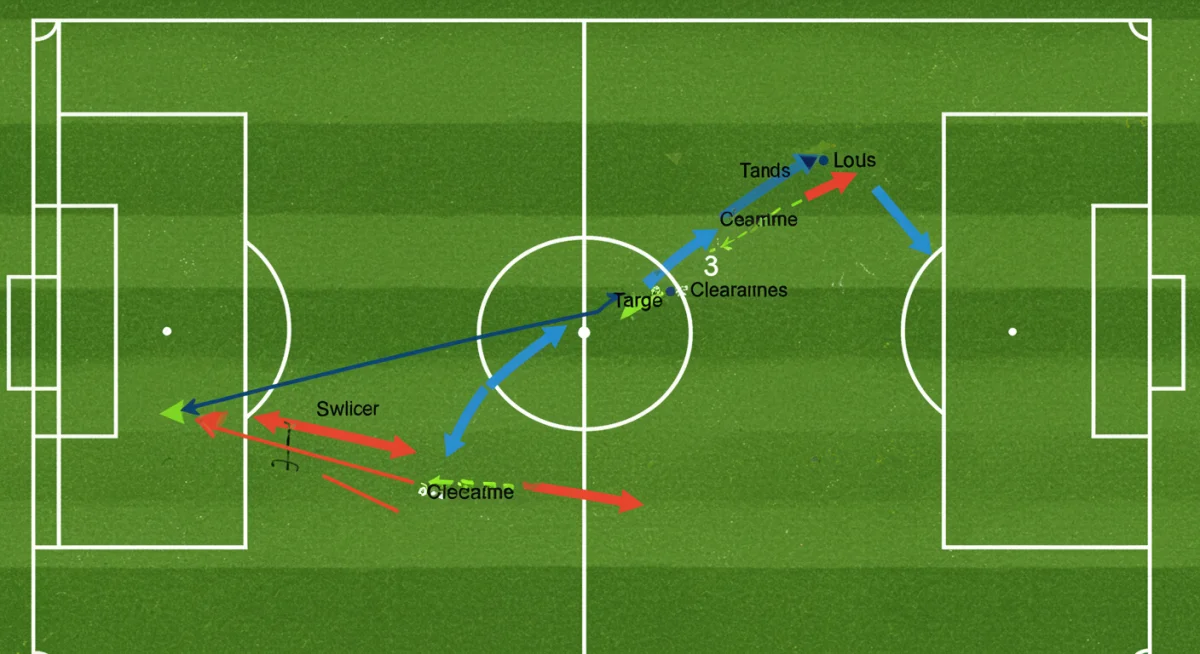
This metric includes a defender’s first touch, passing range, dribbling ability under pressure, and composure when in possession. A defender who can confidently receive the ball, turn, and distribute it accurately can bypass an opponent’s press and launch offensive moves. This ability to transition from defense to attack seamlessly is a hallmark of elite modern defenders and a strong indicator of potential at the professional level.
First Touch and Ball Control
A defender’s first touch is fundamental. It dictates their subsequent actions and can either relieve pressure or invite it. Scouts look for players who can consistently control difficult passes, whether on the ground or in the air, bringing the ball under immediate command. This composure under pressure is a clear indicator of technical quality.
Ball control extends beyond the first touch; it involves maintaining possession in tight spaces and navigating past opponents when necessary. While defenders aren’t expected to be prolific dribblers, the ability to carry the ball out of defense and evade a press is highly valued. This skill set contributes directly to a team’s ability to retain possession and build attacks from the back.
Passing Range and Accuracy
A defender with an excellent passing range can break lines and switch play effectively, opening up new attacking avenues. Scouts assess not only the accuracy of short, simple passes but also the ability to deliver precise long balls, diagonals, and through balls. The quality of a defender’s distribution can often be the catalyst for a successful offensive play.
- Consistently accurate short and medium-range passes.
- Ability to execute precise long-range passes to switch play.
- Composure when passing under pressure.
- Decision-making regarding when to play short or long.
The evolution of soccer has transformed the defender’s role into that of a primary ball-player and attack initiator. For American defenders aspiring to the 2026 Draft, mastering these technical proficiencies is not just an advantage; it’s a necessity. Scouts are searching for complete players who can defend resolutely and contribute significantly to their team’s offensive rhythm.
Mental Fortitude and Leadership Qualities
Beyond the tangible skills, scouts also delve deep into a defender’s mental makeup and leadership capabilities. The pressure of professional soccer, especially at the highest levels, demands players with exceptional mental fortitude. This includes resilience, focus, and the ability to perform under intense scrutiny. For American defenders eyeing the 2026 Draft, demonstrating these intangible qualities can significantly elevate their profile.
Leadership is another crucial aspect. Defenders, particularly center-backs, are often seen as the organizers of the team’s defensive structure. Their ability to communicate, motivate teammates, and lead by example on the field is highly valued. Scouts observe how players react to adversity, how they encourage others, and whether they possess the presence to command respect and instill confidence within the backline.
Resilience and Composure Under Pressure
Professional soccer is a game of highs and lows. Scouts want to see how a defender responds to mistakes, whether they can quickly shake off an error and refocus. Composure in high-stakes situations, such as defending a late lead or facing a penalty shootout, is a testament to a player’s mental strength. The ability to remain calm and make sound decisions when the stakes are highest is a rare and coveted trait.
- Quick recovery from errors or setbacks.
- Maintaining focus throughout the entire match.
- Performing consistently in high-pressure moments.
- Emotional control and discipline on the field.
Communication and Organizational Skills
A defender who can effectively communicate with their goalkeeper, midfielders, and fellow defenders is an invaluable asset. Clear and concise instructions can prevent misunderstandings and ensure the defensive unit operates as a cohesive whole. Organizational skills involve not just vocal leadership but also setting an example through work ethic and disciplined play.
These mental and leadership qualities often separate good players from great ones. For American defenders aspiring to the 2026 Draft, showcasing a strong character, an unwavering will to win, and the ability to inspire teammates will undoubtedly impress scouting personnel. It’s about being more than just a player; it’s about being a leader on the pitch.
Adaptability and Versatility
In the dynamic landscape of modern soccer, adaptability and versatility have become increasingly important attributes for defenders. Coaches often employ various formations and tactical schemes, requiring players who can seamlessly transition between different roles and responsibilities. Scouts for the 2026 Draft are therefore looking for American defenders who demonstrate the capacity to play multiple positions across the backline or adapt to different tactical demands during a match.
A versatile defender might be capable of playing both as a center-back and a full-back, or comfortable in a back three as well as a back four. This flexibility offers coaches more options and tactical solutions, making such players incredibly valuable to a squad. Adaptability also extends to a player’s ability to quickly learn new systems, integrate into different team dynamics, and adjust their playing style to counter various opponents. This minimizes the risk for clubs investing in young talent, as versatile players are more likely to find a place in the team and contribute effectively.
Playing Multiple Defensive Roles
The ideal modern defender is not confined to a single position. Scouts appreciate players who can demonstrate proficiency in more than one defensive role. This might involve excelling as a traditional center-back but also showing competence as a defensive midfielder, or being able to cover both left-back and right-back positions. Such multi-faceted players offer strategic depth and crisis management options for any coaching staff.
- Comfortable playing center-back in various formations.
- Ability to perform effectively as a full-back (left or right).
- Potential to step into a defensive midfield role when needed.
- Understanding of different tactical responsibilities in varied systems.
Adjusting to Tactical Changes
Beyond positional versatility, the ability to adapt to in-game tactical adjustments is crucial. A scout will observe how a defender responds when their team switches formation, changes pressing schemes, or adopts a more defensive or offensive posture. The quicker a player can understand and execute these changes, the more valuable they become. This reflects a high level of footballing intelligence and a willingness to embrace coaching instructions.
For American defenders aspiring to the 2026 Draft, showcasing adaptability and versatility can be a significant differentiator. It signals not only a broader skill set but also a strong football IQ and a professional attitude towards learning and development. These qualities are highly sought after in a sport where tactical evolution is constant, ensuring a player’s longevity and relevance at the elite level.
The Importance of Character and Work Ethic
While on-field performance is critical, scouts often look beyond technical and physical attributes to assess a player’s character and work ethic. These intangible qualities can often be the deciding factor between two equally talented prospects. For American defenders hoping to catch the eye of scouts for the 2026 Draft, demonstrating a strong moral compass, a relentless drive to improve, and a positive attitude are paramount.
Character encompasses traits like humility, integrity, and respect for teammates, coaches, and officials. A player with good character is often a positive influence in the locker room and on the training ground, contributing to a healthy team environment. Work ethic, on the other hand, refers to a player’s dedication to training, their commitment to continuous improvement, and their willingness to put in the extra hours required to excel. This includes off-field preparation, such as diet, recovery, and fitness maintenance.
Professionalism and Attitude
Scouts pay close attention to a player’s demeanor both on and off the pitch. How do they interact with their peers? Do they show respect to coaching staff? Are they disciplined in their personal lives? These observations provide insight into a player’s professionalism. A positive attitude, even in challenging circumstances, is a strong indicator of mental resilience and a team-first mentality.
- Respectful interactions with all club personnel.
- Discipline in training and adherence to team rules.
- Positive body language and constructive communication.
- Ability to handle criticism and learn from mistakes.
Dedication to Improvement and Coachability
The journey to professional soccer is one of continuous learning. Scouts want to see players who are eager to improve, receptive to feedback, and willing to adapt their game. Coachability is a key aspect here; a player who listens, understands instructions, and applies them effectively on the field is highly valued. This dedication to self-improvement extends beyond formal training sessions, encompassing personal fitness, tactical study, and skill refinement.
Ultimately, a strong character and an unwavering work ethic are foundational to sustained success in professional soccer. For American defenders aspiring to the 2026 Draft, these attributes signal not only their potential on the field but also their reliability and long-term commitment to the sport. Scouts are investing in individuals, not just players, and these personal qualities are often what tip the scales in a prospect’s favor.
| Key Metric | Brief Description |
|---|---|
| Tactical Intelligence | Ability to read the game, anticipate plays, and effectively position oneself and organize the defense. |
| Physical Prowess | Speed, strength, agility, and endurance critical for modern defensive demands and duels. |
| Technical Proficiency | Ball control, passing range, and composure in possession, crucial for initiating attacks. |
| Mental Fortitude | Resilience, leadership, and composure under pressure, vital for consistent high-level performance. |
Frequently Asked Questions About Defender Scouting
While all metrics are important, tactical intelligence is often considered the most critical. A defender’s ability to read the game, anticipate plays, and make intelligent decisions under pressure is invaluable and forms the foundation for effective defensive play in modern soccer.
Scouts evaluate physical prowess through observations of speed, strength in duels, agility in changing direction, and endurance throughout the match. They look for athletes who can meet the rigorous physical demands of professional soccer and maintain performance levels.
Modern soccer demands defenders who can confidently control and distribute the ball. Ball-playing ability allows defenders to initiate attacks, break opposition presses, and maintain possession, contributing significantly to a team’s offensive rhythm and overall structure.
Leadership is crucial, especially for center-backs who often organize the defense. Scouts look for communication skills, the ability to motivate teammates, and a presence that instills confidence and commands respect on the field, contributing to team cohesion.
Absolutely. Character, including humility and integrity, alongside a strong work ethic and dedication to improvement, are highly valued. These intangible qualities often differentiate equally talented players and indicate a prospect’s long-term potential and reliability.
Conclusion
The journey to becoming a professional soccer player, particularly an American defender hoping to make the 2026 Draft, is multifaceted and demanding. While raw talent is a starting point, it is the meticulous cultivation of specific attributes that truly sets prospects apart. Tactical intelligence, physical prowess, and technical proficiency form the bedrock of a scout’s evaluation, providing a comprehensive picture of a player’s capabilities. However, the modern game also places increasing emphasis on mental fortitude, leadership, adaptability, and an unwavering work ethic. Aspiring defenders must therefore strive for a holistic development, recognizing that success at the elite level is a blend of skill, athleticism, intelligence, and character. Understanding these key metrics offers a clear roadmap for young American talents aiming to fulfill their professional dreams.