US Soccer Player Performance: 4 Data-Driven Strategies for 2026 Peak Form
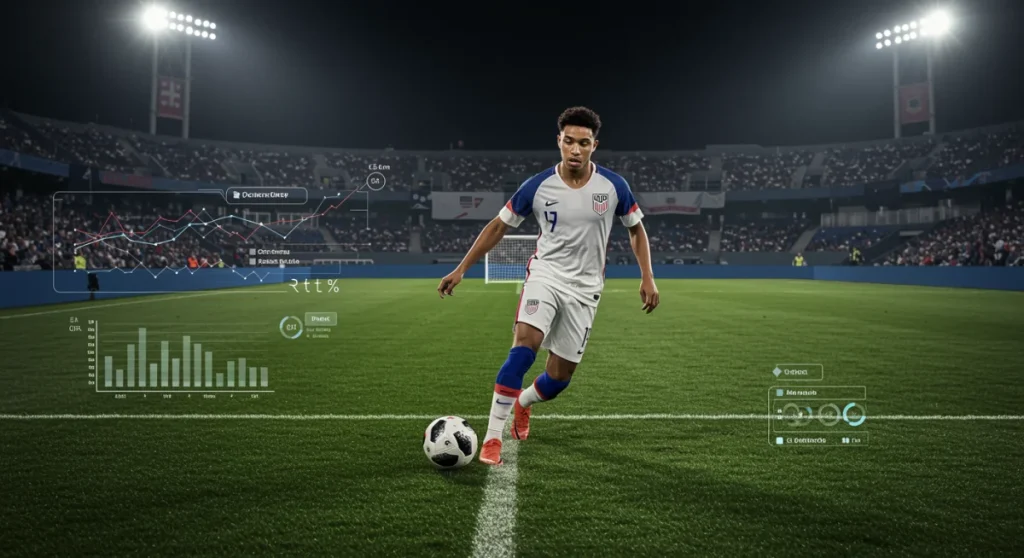
US Soccer Performance Data highlights four critical data-driven strategies employed by elite players to sustain peak physical and mental condition, ensuring optimal competitive readiness through the 2026 World Cup cycle.
In the fiercely competitive world of professional soccer, maintaining peak performance isn’t just about raw talent; it’s a science. This Player Performance Deep Dive: 4 Data-Driven Strategies Used by Elite US Soccer Players to Maintain Peak Form Through 2026 will reveal how top American athletes are leveraging cutting-edge analytics and personalized approaches to stay ahead of the curve.
The foundation of performance: advanced analytics and biomechanics
The modern soccer landscape is increasingly defined by numbers. Elite US soccer players are no exception, utilizing advanced analytics and biomechanical assessments to gain a granular understanding of their physical capabilities and areas for improvement. This data-driven approach moves beyond traditional coaching observations, offering objective insights that inform every aspect of their training and game strategy.
Understanding the intricacies of an athlete’s movement patterns and physical output is crucial for both optimizing performance and preventing injuries. Biomechanical analysis, often conducted in specialized labs or through sophisticated wearable technology, provides a detailed picture of how a player’s body interacts with the demands of the sport. This can reveal subtle inefficiencies or imbalances that, if unaddressed, could lead to long-term issues.
Leveraging wearable technology for real-time insights
- GPS tracking: Monitors distance covered, speed, acceleration, and deceleration during training and matches, providing objective measures of workload.
- Heart rate variability (HRV): Offers insights into the autonomic nervous system, indicating recovery status and readiness for high-intensity efforts.
- Accelerometer data: Quantifies impact forces and movement patterns, crucial for understanding load on joints and muscles.
- Sleep monitors: Tracks sleep quality and duration, a cornerstone of recovery and overall well-being.
The integration of wearable technology means that data collection isn’t confined to a lab; it’s happening in real-time on the training pitch and during competitive matches. This continuous stream of information allows coaches and performance staff to make immediate adjustments, tailoring training sessions to individual needs and preventing overtraining. By understanding a player’s typical outputs and comparing them to benchmarks, deviations can be quickly identified and addressed.
Ultimately, advanced analytics and biomechanics form the bedrock upon which elite performance is built. They provide the objective evidence needed to personalize training, refine technique, and ensure that players are consistently operating at their optimal physical level, a non-negotiable factor as they target peak form through 2026.
Personalized recovery protocols: beyond ice baths
Gone are the days when a simple ice bath was considered the pinnacle of post-exertion recovery. Elite US soccer players now adhere to highly personalized recovery protocols, meticulously designed to accelerate physiological repair, reduce fatigue, and prepare the body for subsequent demands. This sophisticated approach recognizes that each athlete’s recovery needs are unique, influenced by factors such as age, training load, travel, and individual physiological responses.
The goal of personalized recovery is not just to feel better, but to optimize cellular repair and adapt to training stimuli. This involves a multi-faceted approach that integrates various modalities, all guided by data collected from training, matches, and individual physiological monitoring. Understanding the specific demands placed on a player’s body allows for targeted interventions that promote faster and more effective recovery.
Key components of modern recovery strategies
- Cryotherapy and hydrotherapy: While ice baths still have a place, whole-body cryotherapy chambers and contrast water therapy are often employed for their systemic anti-inflammatory benefits.
- Active recovery: Low-intensity exercise, such as light cycling or swimming, helps to flush metabolic byproducts and maintain blood flow without adding significant stress.
- Massage and manual therapy: Regular soft tissue work helps to alleviate muscle soreness, improve flexibility, and identify potential areas of tightness or restriction.
- Compression garments: Aid in reducing muscle oscillation, improving circulation, and decreasing post-exercise swelling.
Beyond these physical modalities, individualized recovery plans often include detailed sleep hygiene strategies and mental relaxation techniques. Adequate, high-quality sleep is arguably the most powerful recovery tool, yet it’s often overlooked. Players receive guidance on optimizing their sleep environment, consistent sleep-wake cycles, and minimizing exposure to disruptive stimuli. 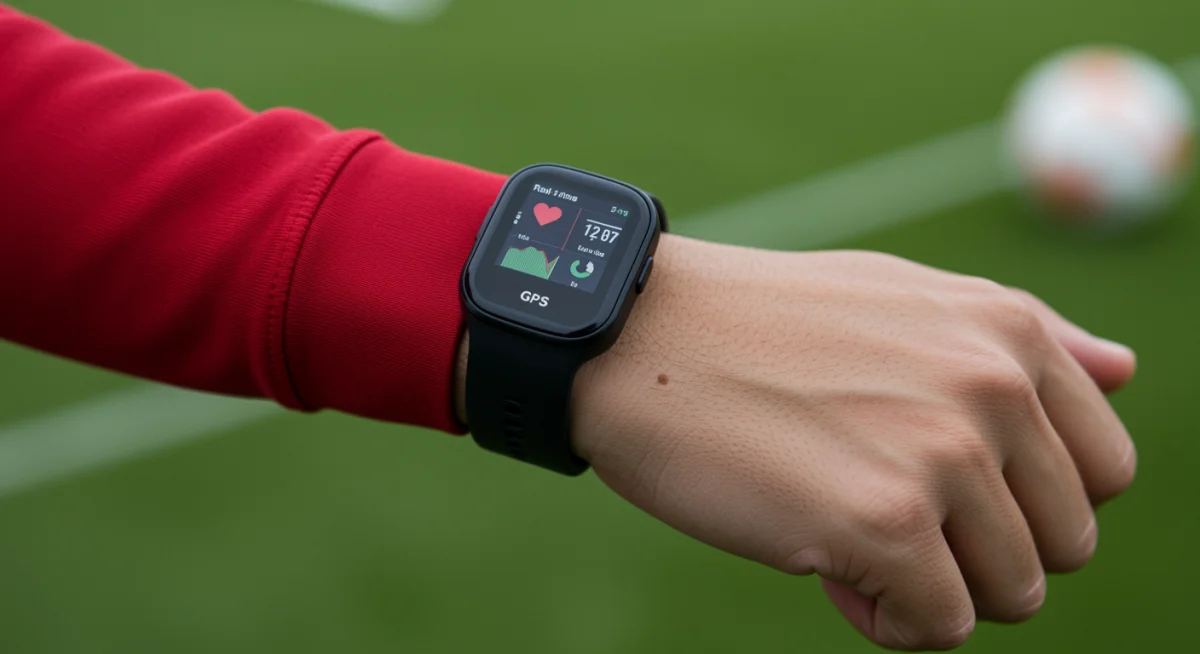
The emphasis on personalized recovery underscores a fundamental shift in elite sports: from a one-size-fits-all approach to highly tailored interventions based on individual data. This precision allows US soccer players to not only bounce back faster but also to enhance their long-term resilience, a critical factor for maintaining peak form through demanding seasons and major tournaments like the 2026 World Cup.
Precision nutrition and hydration: fueling the elite athlete
Fueling an elite soccer player has evolved into a highly specialized science, moving far beyond generic dietary advice. Precision nutrition and hydration strategies are now meticulously crafted for each US soccer player, taking into account their unique metabolic profile, training load, body composition goals, and even genetic predispositions. This individualized approach ensures that athletes receive the exact nutrients they need, precisely when they need them, to optimize performance, accelerate recovery, and support overall health.
The demands of professional soccer—characterized by intermittent high-intensity sprints, endurance, and rapid decision-making—require a constant and specific energy supply. A player’s nutritional plan is not static; it dynamically adjusts based on whether it’s a heavy training day, a match day, or a recovery day. This adaptability is key to preventing energy deficits, preserving muscle mass, and supporting cognitive function under pressure.
Components of a tailored nutritional plan
- Macronutrient timing: Strategic intake of carbohydrates, proteins, and fats around training and matches to maximize energy availability and muscle repair.
- Micronutrient optimization: Ensuring adequate intake of vitamins and minerals through whole foods and targeted supplementation to support immune function, bone health, and energy metabolism.
- Hydration protocols: Customized fluid and electrolyte strategies based on individual sweat rates, environmental conditions, and exercise intensity to prevent dehydration.
- Gut health support: Focus on nutrient-dense foods and probiotics to support a healthy microbiome, which impacts nutrient absorption, immunity, and even mood.
Dietary tracking, often through specialized apps or direct consultation with sports dietitians, provides valuable data to fine-tune these plans. Players log their food and fluid intake, which is then analyzed against their energy expenditure and performance metrics. This data allows for real-time adjustments, ensuring that the nutritional strategy is always aligned with the player’s current physiological needs.
Furthermore, education plays a vital role. Elite athletes are not just given meal plans; they are taught the principles behind their nutrition, empowering them to make informed choices while traveling or when access to prepared meals is limited. This holistic approach to precision nutrition and hydration is fundamental to sustaining the high-level physical output required of US soccer players aiming for peak form through 2026.
Mental conditioning and psychological resilience: the unseen edge
While physical prowess is undeniably crucial, the mental game often dictates success at the elite level. US soccer players recognize that mental conditioning and psychological resilience are not secondary considerations but integral components of their overall performance strategy. Developing a robust mental framework allows athletes to navigate pressure, recover from setbacks, maintain focus, and perform consistently under the intense scrutiny of professional sports.
The psychological demands on a soccer player are immense, encompassing everything from managing pre-game anxiety to dealing with injuries, navigating team dynamics, and coping with public criticism. Without dedicated mental training, even the most physically gifted player can falter. Therefore, comprehensive psychological support is a standard offering for elite athletes, helping them to cultivate the mental toughness required to excel.
Strategies for building mental resilience
- Goal setting and visualization: Developing clear, achievable goals and regularly visualizing successful outcomes to enhance motivation and confidence.
- Mindfulness and meditation: Practices to improve focus, reduce stress, and enhance present-moment awareness, crucial for decision-making on the field.
- Stress management techniques: Learning coping mechanisms for pressure situations, such as controlled breathing and positive self-talk.
- Performance psychology coaching: Working with sports psychologists to address specific mental barriers, develop mental skills, and foster a positive mindset.
Mental conditioning is not about eliminating pressure but rather about equipping players with the tools to effectively respond to it. This includes developing routines that promote focus before a match, strategies for quickly resetting after a mistake, and methods for maintaining composure in high-stakes moments. Data, in this context, can include self-reported mood states, sleep quality, and even cognitive performance metrics, which inform the mental training programs.
The integration of mental conditioning into daily routines ensures that psychological strength is developed alongside physical attributes. For US soccer players looking to maintain peak form through 2026, cultivating psychological resilience provides the unseen edge, allowing them to consistently perform at their best, regardless of external circumstances. It’s the ultimate differentiator in a sport where margins of victory are often razor-thin.
Injury prevention and load management: sustaining the journey
The rigorous schedule of elite soccer places immense stress on players’ bodies, making injury prevention and effective load management paramount for sustained performance. For US soccer players eyeing peak form through 2026, a proactive and data-driven approach to minimizing injury risk is as critical as any training regimen. This strategy involves continuous monitoring, individualized risk assessments, and dynamic adjustments to training volumes and intensities.
Preventing injuries is not merely about reacting to symptoms but about understanding the cumulative stress on an athlete’s body and intervening before problems arise. This requires a sophisticated system that integrates various data points, from internal factors like fatigue and soreness to external factors like pitch conditions and travel schedules. The goal is to keep players on the field, performing at their best, for as long as possible.
Cornerstones of effective injury prevention
- Biomechanical screening: Regular assessments to identify movement deficiencies or asymmetries that could predispose a player to injury.
- Strength and conditioning: Targeted programs to build robust musculature, improve joint stability, and enhance overall physical resilience.
- Load monitoring: Utilizing GPS and heart rate data to track both external load (distance, sprints) and internal load (perceived exertion, heart rate response) to prevent overtraining.
- Recovery strategies: Implementing personalized recovery protocols (as discussed previously) to optimize physiological repair and reduce cumulative fatigue.
The concept of load management is central to this strategy. It involves carefully balancing the demands placed on a player with their capacity to adapt and recover. This is a dynamic process, with training plans adjusted based on individual responses, upcoming match schedules, and any early signs of fatigue or discomfort. Communication between players, coaches, medical staff, and performance scientists is vital for this system to function effectively.
Furthermore, education on self-care, proper warm-up and cool-down routines, and the importance of reporting even minor niggles plays a significant role. Empowering players to be active participants in their own injury prevention helps foster a culture of proactive health. By meticulously managing workload and prioritizing preventative measures, US soccer players can significantly enhance their ability to remain healthy and perform at an elite level through the demanding journey to 2026.
The integrated performance team: a holistic approach
Behind every elite US soccer player performing at their peak is a dedicated and integrated team of specialists working in concert. This holistic approach recognizes that player performance is a complex interplay of physical, mental, and nutritional factors, all of which must be managed cohesively. The integrated performance team ensures that all data-driven strategies are not only implemented but also harmonized to support the athlete’s overall well-being and competitive readiness.
This team typically includes coaches, sports scientists, strength and conditioning specialists, physiotherapists, sports dietitians, and sports psychologists. Each member contributes their specialized expertise, but critically, they operate within a shared framework, communicating regularly and sharing data to create a comprehensive picture of the player’s status. This collaborative environment prevents siloed information and ensures that decisions are made with a full understanding of all relevant variables.
Roles within the integrated performance team
- Head Coach: Oversees overall strategy and player development, integrating performance insights into training and match tactics.
- Sports Scientist: Manages data collection, analysis, and interpretation, providing objective feedback on physical performance and recovery.
- Strength and Conditioning Coach: Designs and implements individualized training programs to enhance physical attributes and prevent injuries.
- Physiotherapist/Medical Staff: Focuses on injury diagnosis, treatment, and rehabilitation, working closely with S&C to facilitate return to play.
- Sports Dietitian: Develops and monitors personalized nutrition and hydration plans.
- Sports Psychologist: Provides mental conditioning, stress management, and resilience training.
Regular meetings and shared performance platforms allow the team to discuss individual player profiles, review progress, identify potential issues, and adjust strategies in real-time. For instance, if a sports scientist identifies a dip in a player’s power output data, they can consult with the dietitian about nutritional adjustments, the S&C coach about training modifications, and the physiotherapist to rule out any underlying physical issues. This interconnectedness is crucial for a responsive and effective performance system.
The integrated performance team embodies the pinnacle of data-driven athlete management. By fostering a collaborative and comprehensive environment, they empower US soccer players to not only maintain but continually enhance their peak form, ensuring they are optimally prepared for the challenges and opportunities leading up to and including the 2026 World Cup.
| Key Strategy | Brief Description |
|---|---|
| Advanced Analytics | Utilizing wearable tech and biomechanics for objective performance and injury risk insights. |
| Personalized Recovery | Tailored protocols including cryotherapy, active recovery, and sleep optimization to accelerate repair. |
| Precision Nutrition | Individualized dietary plans, macronutrient timing, and hydration based on metabolic needs and load. |
| Mental Conditioning | Psychological training, mindfulness, and resilience strategies to enhance focus and manage pressure. |
Frequently asked questions about elite player performance
Elite US soccer players utilize data from wearable tech, biomechanical assessments, and load monitoring to track physical stress and identify injury risks. This allows performance staff to make proactive adjustments to training volumes and intensities, ensuring players remain healthy and available for competition, reducing the likelihood of debilitating injuries.
Sleep is a cornerstone of recovery for elite athletes. It’s during sleep that the body undergoes crucial physiological repairs, hormone regulation, and cognitive restoration. US soccer players often employ sleep monitoring and strict sleep hygiene protocols to optimize both the quantity and quality of their rest, directly impacting their readiness for training and matches.
Nutrition for US soccer players is highly individualized, based on factors like metabolic rate, training load, body composition goals, and even genetic profiles. Sports dietitians create dynamic meal plans that adjust macronutrient timing and hydration strategies according to training intensity, match days, and recovery periods, ensuring optimal fueling and repair.
Mental conditioning provides elite soccer players with an unseen edge, enhancing focus, managing pressure, and building psychological resilience. Benefits include improved decision-making under stress, faster recovery from mistakes, increased confidence, and the ability to maintain consistent performance despite external distractions, crucial for high-stakes games.
Integrated performance teams—comprising coaches, sports scientists, medical staff, nutritionists, and psychologists—collaborate by sharing data and insights. Regular communication ensures a holistic view of each player’s status, allowing for coordinated adjustments to training, recovery, and mental strategies, thereby optimizing overall performance and well-being.
Conclusion
The journey to peak performance for elite US soccer players through 2026 is a testament to the power of data-driven strategies and holistic athlete management. By meticulously integrating advanced analytics, personalized recovery, precision nutrition, and robust mental conditioning, these athletes are not only maximizing their physical capabilities but also fortifying their psychological resilience. This comprehensive approach ensures they are not just reacting to the demands of the game but proactively shaping their readiness, setting a new standard for excellence in professional soccer and paving a clear path to sustained success on the global stage.