Mid-Season Transfer Fees Soar: Impact on US Soccer Talent 2026
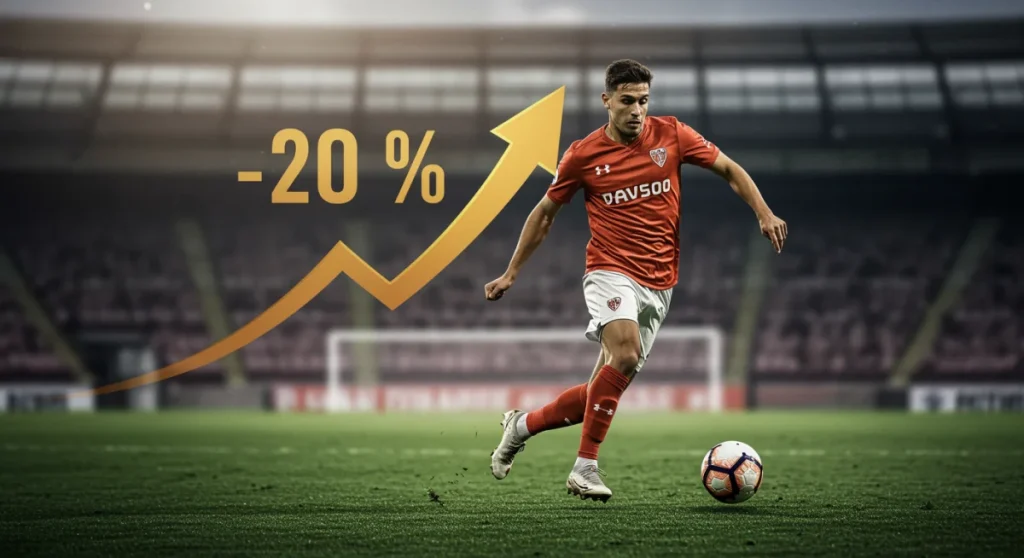
The 20% increase in mid-season transfer fees significantly impacts US-bound soccer talent for 2026, driving up player valuations and intensifying competition for promising prospects across global leagues.
The global soccer landscape is constantly evolving, and recent data points to a significant shift: a 20% increase in mid-season transfer fees. This surge isn’t just a number; it’s a seismic event reverberating through clubs, agents, and, crucially, the aspirations of US-bound talent eyeing the 2026 World Cup. Understanding this trend is paramount for anyone invested in the future of American soccer.
Understanding the Mid-Season Transfer Market Dynamics
The mid-season transfer window, often perceived as a period for quick fixes and squad adjustments, has transformed into a high-stakes arena where clubs are willing to pay a premium. This shift is driven by a confluence of factors, from immediate performance needs to long-term strategic investments. The pressure to secure top talent ahead of crucial league runs or continental competitions often dictates inflated prices.
Historically, the summer window has been the primary stage for major transfers, allowing for more structured negotiations and player integration. However, the urgency of mid-season demands, coupled with the increasing financial clout of certain leagues and clubs, has made January a fiercely competitive month. Teams are now more inclined to spend big to avoid relegation, secure a championship, or make a push for European qualification.
Key Drivers Behind the Fee Surge
- Immediate Performance Needs: Clubs in precarious league positions or those pushing for titles often prioritize instant impact players, driving up their market value.
- Increased Financial Power: The growing revenues from broadcasting rights, sponsorships, and global fan bases empower clubs to invest more heavily in their squads.
- Scarcity of Elite Talent: Truly world-class players are a rare commodity, and when available, especially mid-season, clubs will pay a premium to secure them.
- Contract Situations: Players nearing the end of their contracts can still command significant fees if a club wants to avoid a bidding war in the summer or needs their services immediately.
The dramatic rise in mid-season transfer fees reflects a broader trend of accelerated player valuation. Clubs are no longer just buying performance; they are investing in potential, marketability, and the strategic advantage a player can bring, even for a few months. This intensified financial environment creates both opportunities and challenges for players and clubs alike, reshaping strategies for recruitment and development.
The Impact on Player Valuation and Development Pathways
The 20% increase in mid-season transfer fees has a direct and profound effect on how players are valued, particularly those with high potential. For young, promising talents, this means their market price could escalate rapidly, even before they reach their peak. This phenomenon impacts not only established stars but also emerging players, making their acquisition a more costly endeavor for interested clubs.
Development pathways are also being re-evaluated. Clubs might be more inclined to invest in their academies and youth systems if external talent becomes prohibitively expensive. However, the lure of a quick, impactful signing often outweighs the long-term commitment to development, especially when immediate results are paramount. This creates a delicate balance for clubs looking to build sustainable success.
Shifting Dynamics for Emerging Talent
- Higher Entry Barriers: For clubs with limited budgets, acquiring promising talent becomes more challenging as prices inflate.
- Increased Pressure: Players transferred for significant fees face immense pressure to perform immediately, potentially hindering their natural development curve.
- Scouting Re-focus: Clubs may intensify their scouting efforts in less traditional markets to find undervalued gems before their prices skyrocket.
The heightened financial stakes in the transfer market mean that player valuation is no longer solely based on on-field performance. Factors like age, potential for resale, social media presence, and even nationality (due to specific market appeal) now play a significant role. This complex web of considerations makes the transfer market a dynamic and often unpredictable landscape, particularly for those trying to navigate their careers within it.
US-Bound Talent: Opportunities and Challenges for 2026
For US-bound talent, the surge in mid-season transfer fees presents a mixed bag of opportunities and challenges as they look towards the 2026 World Cup. On one hand, players performing well in domestic or European leagues might find their market value significantly boosted, attracting attention from larger clubs. This could lead to moves that elevate their profile and provide access to higher-level competition, crucial for their development.
However, the increased fees also mean that clubs, especially those in top European leagues, might be more selective and only target players who can offer an immediate, undeniable impact. This could make it harder for promising but less established US players to secure moves abroad, particularly mid-season, if clubs are unwilling to gamble on potential at inflated prices. The competition for roster spots and playing time will become even more intense.
Navigating the Competitive Landscape
US talent needs to be acutely aware of these market shifts. For players already in Europe, consistent performance is key to maintaining or increasing their value. For those in MLS or other domestic leagues, demonstrating readiness for a higher level, either through standout play or specialized skill sets, becomes crucial to attracting attention from clubs willing to pay a premium. The market is increasingly demanding a high return on investment.
Furthermore, the strategic timing of transfers becomes more critical. A well-timed move that aligns with a player’s development stage and a club’s needs can be highly beneficial. Conversely, a rushed or ill-advised transfer, especially at an inflated price, could lead to unmet expectations and stagnation. US soccer’s growth relies on its players making smart career decisions in this evolving financial environment.
MLS and its Role in the Evolving Transfer Market
Major League Soccer (MLS) plays a unique and increasingly important role in this evolving transfer landscape, particularly concerning US-bound talent. With its growing financial stability and strategic emphasis on youth development, MLS is becoming both a seller and a buyer in the global market. The league’s ability to develop and showcase young American players has made it a valuable pipeline for European clubs.
However, the 20% increase in mid-season transfer fees also means MLS clubs face higher costs when trying to acquire established talent, whether from abroad or within the domestic market. This puts pressure on their recruitment strategies and financial planning. The league must balance its role as a developmental hub with its ambition to attract and retain high-caliber players to elevate the overall quality of play.
MLS as a Development and Selling League
- Youth Investment: MLS academies are producing more talent, offering a sustainable source of players for both domestic and international markets.
- Strategic Sales: Selling high-value young American players to European clubs generates revenue that can be reinvested into the league and academies.
- Retaining Talent: The challenge lies in retaining top American prospects for longer to maximize their impact on MLS before they move abroad.
The league’s reputation as a strong developmental environment for young American players is a significant asset. As mid-season transfer fees continue to climb, MLS can strategically position itself to both benefit from selling its homegrown stars at higher valuations and attract international talent that might be overlooked by European clubs due to inflated prices. This dual approach is vital for the league’s continued growth and its contribution to US soccer’s 2026 aspirations.
Strategic Implications for US National Team Prospects
The rising tide of mid-season transfer fees has significant strategic implications for US National Team prospects looking ahead to the 2026 World Cup. Players who can secure moves to higher-level leagues or more competitive clubs, even mid-season, often gain invaluable experience and exposure that can accelerate their development. This exposure to diverse tactical systems and intense competition is crucial for preparing them for the demands of international soccer.
Conversely, players who struggle to secure moves or find themselves sidelined after an expensive transfer might see their national team prospects diminish. The national team coaching staff will undoubtedly be monitoring players’ club situations closely, prioritizing those who are consistently playing at a high level. Thus, the transfer market isn’t just about club economics; it’s intricately linked to national team success.
Optimizing Player Pathways for 2026
For US national team hopefuls, making intelligent career choices regarding transfers becomes a critical component of their 2026 journey. This includes prioritizing playing time and developmental opportunities over potentially higher salaries if it means sacrificing regular minutes. Agents and mentors will play a crucial role in guiding these young talents through a complex and often ruthless market.
The US Soccer Federation also has a vested interest in understanding these market dynamics. Facilitating pathways for promising players to gain experience in top leagues, while also supporting domestic development, will be key. This might involve closer collaboration with MLS clubs and European teams to ensure that American talent is strategically placed to maximize their growth and readiness for the global stage.
Forecasting Future Trends and Adaptations
Looking ahead, the 20% increase in mid-season transfer fees is likely not an isolated incident but rather a precursor to continued market escalation. Several factors suggest this trend will persist, including the ever-increasing commercialization of soccer, global broadcasting deals, and the relentless pursuit of competitive advantage by top clubs. Adapting to these dynamics will be crucial for all stakeholders.
Clubs will need to become more sophisticated in their scouting and player valuation methods, potentially investing more in data analytics and long-term player tracking. Agents will have to navigate even more complex negotiations, ensuring their clients’ interests are protected while securing optimal career moves. For players, continuous self-improvement and adaptability will be paramount to thriving in this high-stakes environment.
Necessary Adaptations for Success
- Data-Driven Scouting: Greater reliance on advanced analytics to identify undervalued talent and predict future performance.
- Flexible Contract Structures: Clubs and players may explore more creative contract terms to mitigate financial risks and reward performance.
- Global Network Expansion: Increased emphasis on scouting networks in emerging soccer markets to discover talent before they become premium-priced.
The future of the transfer market will be characterized by its dynamism and unpredictability. Those who can anticipate trends, adapt quickly, and leverage strategic insights will be best positioned for success. For US-bound talent, this means not just focusing on on-field performance but also understanding the intricate economic forces that shape their professional journeys towards 2026 and beyond.
| Key Aspect | Brief Description |
|---|---|
| Transfer Fee Surge | Mid-season transfer fees have increased by 20%, driven by urgent club needs and financial growth. |
| Impact on US Talent | Creates both opportunities for higher valuations and challenges for securing moves at inflated prices for US players. |
| MLS Role | MLS serves as a key development and selling league, adapting to higher acquisition costs. |
| 2026 World Cup | Strategic transfers are crucial for US National Team prospects to gain experience and readiness. |
Frequently Asked Questions About Transfer Fees
Mid-season transfer fees have surged primarily due to clubs’ urgent needs to strengthen squads for league pushes, avoid relegation, or secure European qualification. Increased revenues, scarcity of elite talent, and strategic contract situations also contribute to clubs being willing to pay a premium for immediate impact players.
For US players, this creates a dual effect. Talents performing exceptionally might see their market value increase, attracting bigger clubs. However, it also raises the bar, making it harder for developing players to secure moves if clubs are only willing to pay high prices for proven, immediate impact. Competition intensifies significantly.
MLS is becoming a crucial player, both as a developer and a seller of talent. Its academies are producing more skilled players, who can then be sold to European clubs at higher valuations. Conversely, MLS clubs face increased costs when looking to acquire established talent, influencing their recruitment strategies.
While the market continues to grow, sustainability is a frequent discussion point. Factors like global economic conditions, regulatory changes (e.g., financial fair play), and the ongoing commercialization of soccer will influence future trends. Many experts believe fees will remain high, driven by competition and revenue streams.
US National Team prospects should prioritize moves that guarantee consistent playing time and offer high-level competitive environments, even if it means foregoing slightly higher salaries. Strategic career planning, guided by experienced agents, is vital to maximize development and readiness for the 2026 World Cup.
Conclusion
The 20% increase in mid-season transfer fees marks a significant evolution in the global soccer market. This financial surge fundamentally reshapes player valuation, influences development pathways, and creates a complex environment for US-bound talent aiming for the 2026 World Cup. Success will hinge on astute decision-making, strategic club investments, and a deep understanding of these dynamic market forces to ensure American players are optimally positioned for both individual and national team success.