MLS Media Rights Deal: Unpacking 2025 Club Budget Impact

The recent MLS media rights deal is poised to profoundly impact club budgets for 2025, channeling increased revenue into strategic investments, player development, and enhanced fan experiences across the league.
Beyond the Headlines: Unpacking the Financial Impact of the Latest MLS Media Rights Deal on Club Budgets for 2025 delves deep into the intricate financial landscape set to redefine Major League Soccer. This landmark agreement is far more than just numbers on a balance sheet; it represents a pivotal shift, influencing everything from player recruitment to stadium infrastructure and grassroots development. As we approach 2025, understanding these fiscal currents is crucial for fans, club executives, and investors alike.
the new media landscape and its immediate implications
The recent MLS media rights deal marks a significant turning point for the league, fundamentally altering how clubs generate and manage their finances. This agreement, designed to provide a more streamlined and accessible viewing experience for fans, also promises a substantial increase in revenue for the league and its constituent teams. The immediate implications are clear: clubs will have more capital at their disposal, leading to a cascade of strategic decisions that will shape the league’s future.
This new landscape moves beyond traditional broadcast models, embracing digital platforms and a more integrated fan engagement strategy. The shift is not merely about a larger paycheck; it’s about optimizing reach and creating a more immersive experience for a growing audience. Clubs are now positioned to leverage this expanded visibility to attract new supporters and deepen connections with existing ones, translating into enhanced commercial opportunities.
revenue generation and distribution mechanisms
- Increased Centralized Revenue: A larger portion of media rights revenue will be distributed centrally, ensuring a more equitable financial base for all clubs.
- Performance-Based Incentives: Some distribution models may include performance clauses, rewarding successful clubs with additional funds.
- Enhanced Commercial Partnerships: The increased exposure from the deal makes clubs more attractive to potential sponsors and commercial partners.
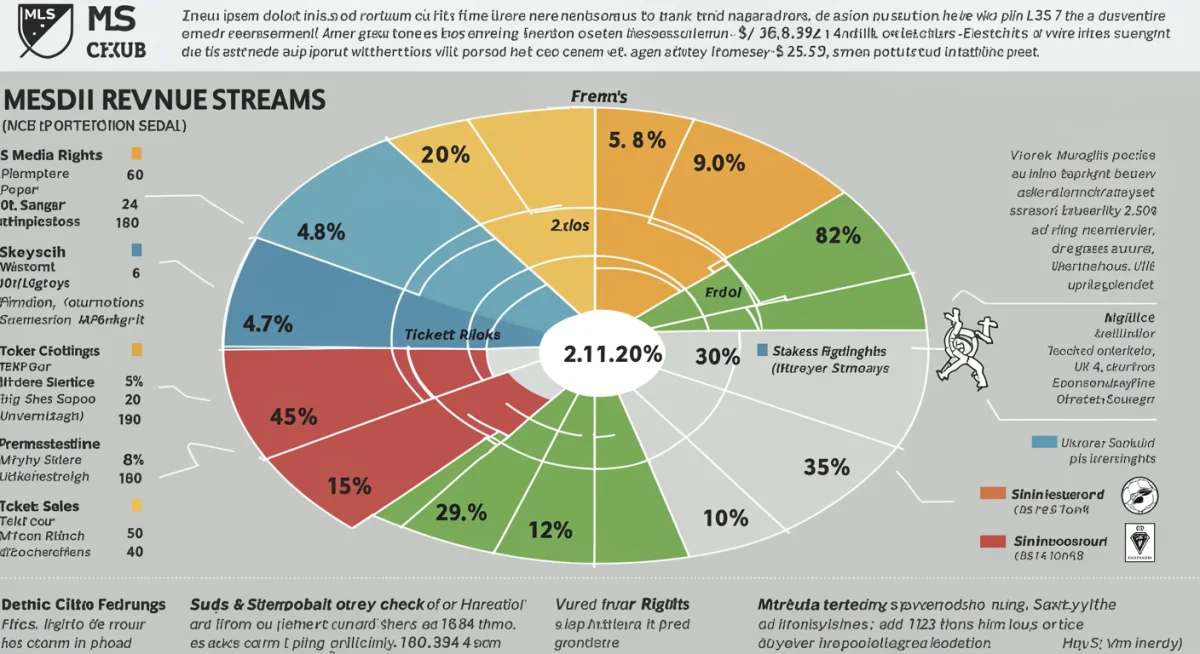
The initial impact will be felt in the immediate boost to operational budgets, allowing clubs to address long-standing needs and pursue ambitious projects. While the exact figures remain proprietary, the general consensus is that this deal represents a significant upgrade, offering a stable financial foundation for sustained growth. This stability is critical for a league still establishing itself on the global stage, enabling clubs to think long-term about their development.
strategic investments: elevating talent and infrastructure
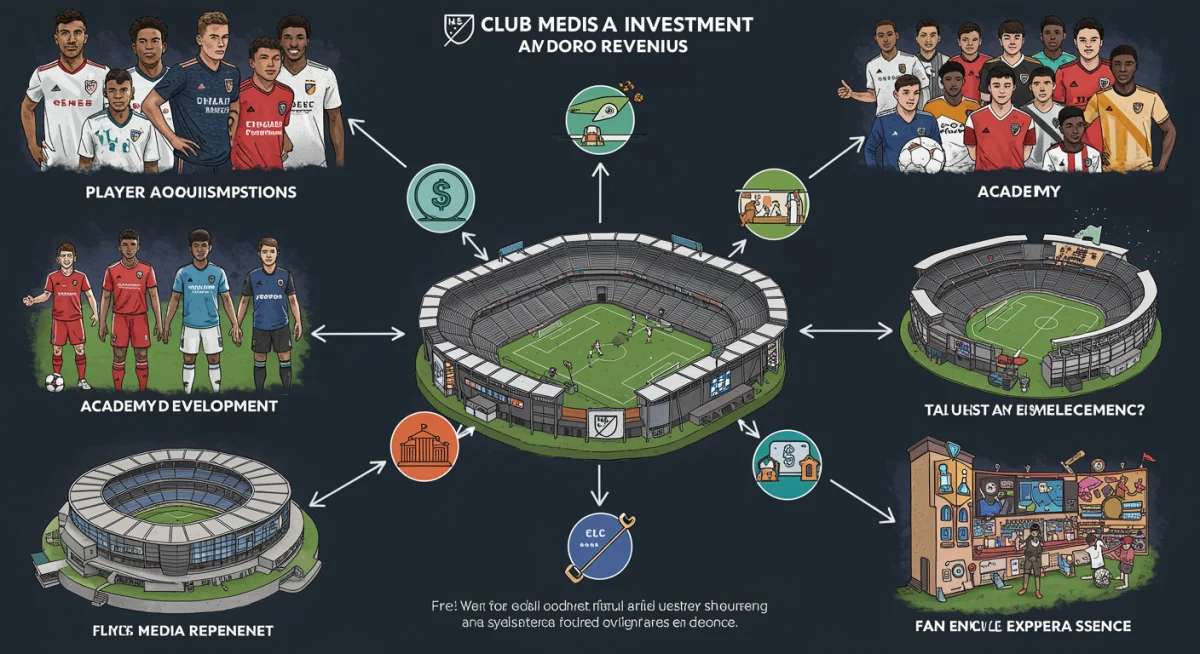
With an influx of new media revenue, MLS clubs are presented with unprecedented opportunities for strategic investment. This isn’t just about spending more; it’s about spending smarter to enhance competitiveness, develop talent, and improve the overall fan experience. The focus will likely be multifaceted, targeting areas that yield both immediate and long-term benefits for the clubs and the league as a whole.
One of the primary areas of investment will undoubtedly be player development and acquisition. A stronger financial position allows clubs to compete for higher-caliber talent, both domestically and internationally. This can elevate the quality of play, making the league more attractive to viewers and further increasing its commercial value. Investing in youth academies and scouting networks will also be critical for building sustainable success.
player acquisition and retention strategies
- Designated Player Signings: Clubs can afford to attract more marquee players, increasing the league’s profile and drawing larger audiences.
- Youth Academy Development: Increased funding for academies will improve the quality of homegrown talent, providing a cost-effective pipeline for first teams.
- Improved Player Facilities: Better training grounds and medical facilities contribute to player welfare and performance, attracting top prospects.
Beyond the field, infrastructure development is another key area. This includes upgrades to stadiums, training facilities, and fan engagement technologies. A modern, comfortable stadium experience and state-of-the-art training facilities are essential for attracting and retaining both players and fans. These investments create a virtuous cycle, where improved facilities lead to better performance and a more engaged fanbase, ultimately boosting revenue.
the ripple effect on player salaries and team competitiveness
The financial boost from the new media rights deal will inevitably have a significant ripple effect on player salaries and, consequently, team competitiveness across MLS. With more money flowing into club coffers, the ability to offer competitive wages will increase, potentially attracting a higher caliber of talent and retaining key players who might otherwise seek opportunities abroad.
This upward pressure on salaries will be a welcome development for players, but it also presents a strategic challenge for club management. Balancing salary budgets with other critical investments, such as academy development and infrastructure, will require shrewd financial planning. The goal is to elevate the overall quality of the league without creating unsustainable wage inflation that could jeopardize long-term financial health.
salary cap implications and roster construction
- Potential Salary Cap Increases: The league may consider raising the salary cap in future years, allowing clubs more flexibility in roster construction.
- Attracting International Talent: Higher salaries make MLS a more viable and attractive destination for established international players.
- Retaining Domestic Stars: Clubs will be better equipped to offer competitive contracts to homegrown talent, preventing their departure to other leagues.
The enhanced financial capacity will also intensify competition within the league. Clubs with stronger financial backing will have an advantage in acquiring top players, potentially leading to a wider disparity in team strength. However, the league’s single-entity structure and various mechanisms like the allocation money system aim to maintain competitive balance, ensuring that financial advantages do not completely undermine the integrity of the competition. The challenge will be to leverage the new revenue to elevate the entire league, not just a select few.
fan engagement and broadcast innovation
A crucial aspect of the new MLS media rights deal is its focus on enhancing fan engagement through innovative broadcast strategies. The agreement is designed to make MLS content more accessible, more interactive, and ultimately, more appealing to a broader audience. This extends beyond merely televising games; it involves creating a comprehensive digital experience that caters to the modern soccer fan.
The partnership with new media providers often includes commitments to cutting-edge production, exclusive content, and interactive features. This could range from improved camera angles and statistical overlays to personalized viewing experiences and behind-the-scenes access. The goal is to transform passive viewing into an active, engaging experience that draws fans deeper into the world of MLS.
digital platforms and personalized content
- Direct-to-Consumer Streaming: Offering games directly to fans through dedicated platforms, bypassing traditional cable packages.
- Interactive Viewing Options: Features like multi-angle cameras, real-time stats, and fan polls during live broadcasts.
- Exclusive Behind-the-Scenes Content: Documentaries, player interviews, and training footage to build deeper connections with fans.
The financial implications for clubs are significant. Increased fan engagement translates into higher viewership, which in turn boosts advertising revenue and sponsorship opportunities. Clubs can also leverage these new platforms to create their own unique content, further strengthening their brand and connecting with their local fanbase. This symbiotic relationship between media innovation and club finances is a cornerstone of the new deal, promising a more dynamic and engaging future for MLS.
long-term sustainability and league growth
The financial impact of the latest MLS media rights deal extends far beyond the immediate budget adjustments for 2025; it lays a critical foundation for the league’s long-term sustainability and ambitious growth plans. This influx of capital provides the stability needed to invest in enduring initiatives that will shape MLS for decades to come, moving it closer to its goal of becoming one of the premier soccer leagues globally.
Sustainable growth hinges on consistent revenue streams and strategic reinvestment. The media deal provides the former, and how clubs and the league manage the latter will determine the ultimate success. This includes continued expansion, development of robust youth systems, and fostering a strong soccer culture across the United States and Canada. The vision is not just to survive, but to thrive and compete on an international level.
investment in youth development and infrastructure
- Expanded Academy Programs: Investing in youth development ensures a steady supply of talented players, reducing reliance on expensive external transfers.
- Community Outreach Initiatives: Engaging local communities builds a loyal fanbase and promotes soccer at a grassroots level.
- Technological Advancements: Adopting cutting-edge technology in training, analytics, and fan experience keeps the league modern and competitive.
The deal also bolsters the league’s financial health, making it more attractive to potential investors and ensuring its ability to withstand economic fluctuations. This financial resilience is crucial for a league that has seen rapid expansion and aims for continued growth. By fostering a strong financial ecosystem, MLS can continue to attract top talent, build state-of-the-art facilities, and deliver a world-class product to its ever-growing audience, securing its place in the global soccer landscape.
challenges and opportunities for club management
While the new MLS media rights deal presents a wealth of opportunities, it also brings significant challenges for club management. Navigating this new financial landscape requires a sophisticated approach, balancing the excitement of increased revenue with the pragmatic need for responsible and strategic allocation. The decisions made in the coming years will define the trajectory of individual clubs and the league as a whole.
One primary challenge is managing increased expectations. Fans, players, and media will anticipate higher spending, better performances, and more ambitious projects. Club management must meet these expectations while adhering to financial fair play regulations and maintaining a sustainable business model. This requires careful budgeting, astute investment, and clear communication with all stakeholders.
navigating increased financial resources
- Strategic Budget Allocation: Prioritizing investments in areas that offer the greatest return, whether on the field or in fan experience.
- Talent Management: Effectively utilizing increased funds to attract, develop, and retain top-tier coaching and playing staff.
- Market Adaptation: Tailoring strategies to local market conditions, leveraging new media reach to expand regional influence.
Another opportunity lies in leveraging the increased visibility and financial stability to innovate beyond traditional soccer operations. Clubs can explore new revenue streams, diversify their business models, and forge stronger community ties. This could involve developing new digital products, expanding merchandise lines, or investing in community-based initiatives that enhance brand loyalty. The media deal provides the platform; innovative management will unlock its full potential, transforming challenges into pathways for unprecedented growth and success.
| Key Aspect | Impact on MLS Clubs (2025) |
|---|---|
| Increased Revenue | Substantial boost to operational budgets and investment capital for all clubs. |
| Player Investment | Greater capacity to sign and retain high-caliber talent, potentially raising salary caps. |
| Infrastructure & Development | Funding for improved training facilities, stadium upgrades, and youth academies. |
| Fan Engagement | Enhanced broadcast quality and digital content to attract and retain viewers. |
Frequently Asked Questions About MLS Media Rights
The primary financial benefit is a significant increase in centralized revenue distribution, providing clubs with more capital for operational expenses, player acquisitions, and strategic investments in infrastructure and development, enhancing overall league quality and stability.
Increased revenue will likely lead to higher player salaries, making MLS more competitive in attracting international talent and retaining domestic stars. Clubs will have greater flexibility within salary cap structures to build stronger, more compelling rosters.
Fan engagement is central to the deal, with a focus on innovative broadcast technologies, direct-to-consumer streaming, and exclusive content. This aims to create a more immersive viewing experience, boosting viewership and commercial opportunities for clubs.
Yes, enhanced financial resources are expected to allow clubs to significantly increase investment in their youth academies. This will improve scouting, coaching, and facilities, fostering a stronger pipeline of homegrown talent for future MLS seasons.
The deal provides a stable financial foundation for long-term growth, enabling sustained investment in expansion, infrastructure, and talent. This positions MLS to continue its ascent as a major global soccer league, enhancing its overall appeal and market value.
Conclusion
The financial impact of the latest MLS media rights deal on club budgets for 2025 is poised to be transformative, ushering in an era of unprecedented growth and strategic investment across the league. From bolstering player acquisition and retention to fueling infrastructure development and pioneering fan engagement, this agreement provides a robust financial bedrock. While challenges remain in managing increased expectations and maintaining competitive balance, the overarching outlook is one of immense opportunity, promising a more dynamic, competitive, and globally recognized Major League Soccer in the years to come. The league’s future, illuminated by this landmark deal, appears brighter than ever, set to captivate an expanding audience and solidify its place in the global soccer landscape.