
In the fiercely competitive landscape of Major League Soccer (MLS), every edge counts. Teams are constantly seeking innovative methodologies to gain an advantage over their rivals, and one area that has seen a significant transformation is defensive strategy. The advent of sophisticated data analytics has provided MLS coaches with unprecedented insights, enabling them to fine-tune their defensive schemes, anticipate opponent moves, and ultimately, improve performance by a measurable margin. This article delves into how MLS coaches are using data analytics to achieve a 10% improvement in current matches, offering practical solutions and real-world examples of this technological revolution.
The traditional approach to defensive coaching often relied heavily on qualitative observations, experience, and intuition. While these elements remain crucial, they are now augmented and validated by a wealth of objective data. From player tracking systems to advanced statistical models, the tools available to modern MLS coaches are more powerful than ever before. The goal is not just to prevent goals, but to control the flow of the game, disrupt opponent attacks efficiently, and transition effectively from defense to offense. This holistic approach, powered by robust MLS defensive analytics, is reshaping the game.
The Evolution of Defensive Coaching with Data Analytics
The journey from rudimentary statistics to sophisticated data analytics in soccer has been rapid and transformative. Initially, data in soccer was limited to basic metrics like goals, assists, and shots on target. While useful, these statistics offered only a superficial understanding of a team’s defensive prowess. The real breakthrough came with the introduction of event data and, more recently, tracking data.
Event data captures every touch, pass, tackle, interception, and shot during a game, providing a granular view of individual and team actions. Tracking data, on the other hand, records the precise spatial coordinates of every player and the ball multiple times per second. This allows for the calculation of advanced metrics such as pressing intensity, defensive shape compactness, player distances, and even expected goals against (xGA).
For MLS coaches, this wealth of information has opened up new avenues for understanding and improving defensive performance. Instead of simply knowing that a team conceded a goal, they can now analyze the sequence of events leading to that goal: where the ball was lost, which players were out of position, the speed of the defensive recovery, and the effectiveness of their pressing scheme. This level of detail is indispensable for identifying weaknesses and formulating targeted training drills.
The shift towards data-driven coaching is not just about collecting more data; it’s about asking the right questions and interpreting the data effectively. MLS teams are now employing dedicated data analysts, often with backgrounds in sports science, statistics, or even computer science, to work alongside coaching staff. These analysts are crucial in translating complex datasets into actionable insights that coaches can use on the training ground and during matches.
Key Metrics and How MLS Teams Utilize Them for Defensive Gains
To achieve a 10% improvement in defensive strategies, MLS coaches focus on a myriad of key performance indicators (KPIs) that provide a comprehensive picture of their team’s defensive strengths and weaknesses. Understanding these metrics is the first step towards leveraging MLS defensive analytics effectively.
Expected Goals Against (xGA)
Perhaps one of the most revolutionary metrics in modern soccer analytics, Expected Goals Against (xGA) quantifies the quality of scoring chances an opponent creates. Unlike traditional shots on target, xGA assigns a probability to every shot based on factors like shot location, body part used, type of assist, and defensive pressure. A low xGA indicates a strong defensive performance, meaning the team is preventing opponents from taking high-quality shots. Coaches use xGA to evaluate defensive setups, identify patterns in conceded chances, and assess the effectiveness of their pressing and blocking strategies.
Defensive Actions in the Final Third
This metric measures the number of tackles, interceptions, and blocks made by a team in their own defensive third. A high number here can indicate either effective last-ditch defending or a team that is consistently under pressure. Coaches analyze this in conjunction with xGA to understand if their defensive actions are preventing high-quality shots or merely delaying the inevitable. The goal is often to increase defensive actions higher up the pitch to disrupt opponent attacks before they reach dangerous areas.
Pressing Intensity and Success Rate
Pressing has become a cornerstone of modern defensive play. Data analytics allows coaches to measure pressing intensity (e.g., passes per defensive action – PPDA) and the success rate of those presses. PPDA measures how many passes an opponent completes before a defensive action is made. A lower PPDA suggests a more intense and effective press. Coaches use this to evaluate their team’s ability to win the ball back quickly and high up the pitch, thereby reducing the time and space opponents have to build attacks. They can also identify areas where the press is being broken down and adjust player roles or formations accordingly.
Defensive Shape and Compactness
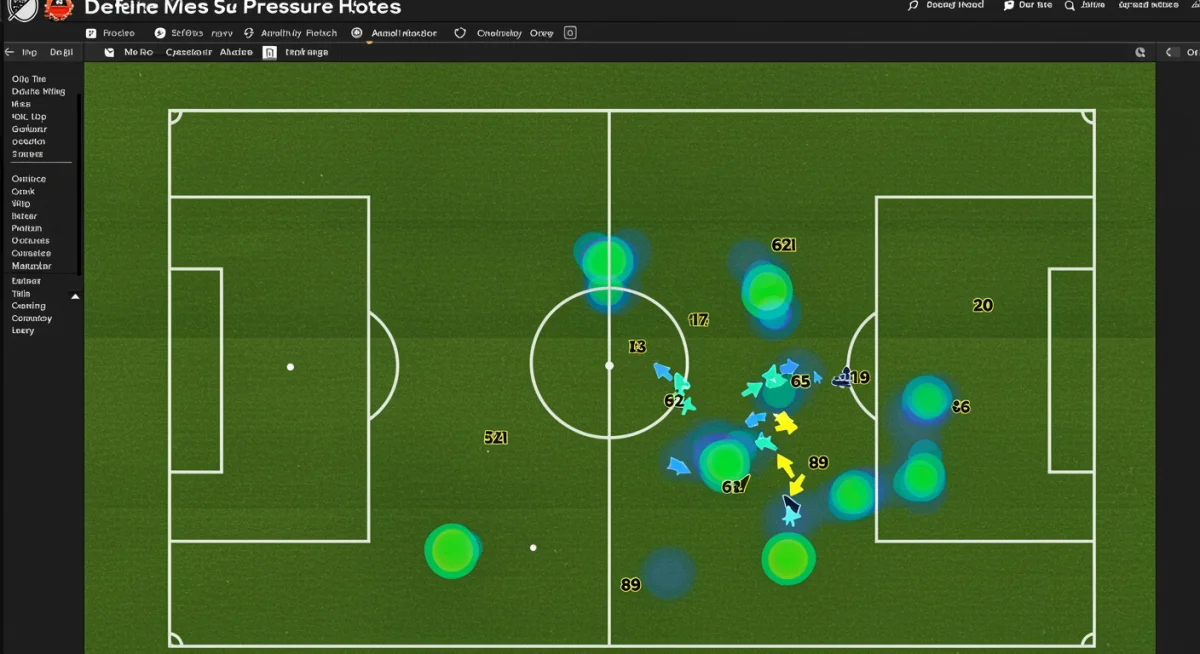
Tracking data provides invaluable insights into a team’s defensive shape. Metrics such as the average distance between defenders, the width and height of the defensive block, and how quickly the team recovers its shape after an attacking phase are all quantifiable. Coaches use this to ensure their team maintains optimal compactness, denying opponents space through the middle and forcing them wide. Visualizations like heatmaps and trajectory plots based on tracking data are particularly useful here.
Individual Defensive Contribution
While team metrics are crucial, individual defensive contributions are equally important. Analytics can highlight which players are excelling in defensive duels, aerial contests, interceptions, and clearances. It can also identify players who might be consistently out of position or losing key battles. This allows coaches to provide personalized feedback, tailor training programs for specific players, or even make informed decisions about player selection and recruitment. For example, a defender with a high success rate in ground duels but a low success rate in aerial duels might require specific training or a complementary partner.
Practical Solutions: Implementing Data-Driven Defensive Strategies
Translating raw data into practical, on-field improvements requires a systematic approach. MLS coaches are adopting several strategies to integrate MLS defensive analytics into their daily routines.
Targeted Training Drills
One of the most direct applications of data analytics is the design of targeted training drills. If analytics reveal that the team is consistently vulnerable to through balls in the channels, coaches can design drills specifically focused on defensive rotations, covering runs, and communication between center-backs and full-backs. If the pressing intensity drops significantly in the last 15 minutes of a half, training might focus on conditioning and maintaining tactical discipline under fatigue.
Pre-Match Scouting and Game Planning
Before every match, MLS coaching staffs meticulously analyze opponent data. This includes identifying their preferred attacking patterns, key players’ tendencies (e.g., which foot they prefer to shoot with, their passing ranges, their movement off the ball), and their vulnerabilities. For instance, if an opponent relies heavily on crosses from a specific flank, the defensive strategy might involve doubling up on their winger or instructing full-backs to aggressively close down crossing angles. Data can also reveal individual matchups that a team can exploit or needs to neutralize defensively.
In-Game Adjustments
During matches, real-time data or rapid post-half analysis can inform critical tactical adjustments. Coaches can receive instant feedback on metrics like defensive shape, pressing effectiveness, and opponent shot locations. If the team is struggling to contain an opponent’s central midfielder, data might confirm this by showing an increase in passes completed in dangerous areas. This allows coaches to make informed substitutions or tactical tweaks to counter the threat, potentially shifting formations or instructing specific players to mark more tightly.
Post-Match Analysis and Player Feedback
After each game, comprehensive data analysis is performed. This involves reviewing key defensive metrics, analyzing specific goal concessions, and identifying moments of both defensive brilliance and vulnerability. This analysis forms the basis for individual and team feedback sessions. Players can be shown video clips alongside relevant data points, helping them understand where they excelled or where improvements are needed. This objective feedback, backed by numbers, can be more impactful than subjective observations alone.
Challenges and Considerations in MLS Defensive Analytics
While the benefits of MLS defensive analytics are undeniable, there are also challenges that coaches and analysts must navigate.
Data Overload and Interpretation
The sheer volume of data can be overwhelming. The challenge lies in filtering out noise and identifying the most relevant insights. This requires skilled analysts who can present complex information in an understandable and actionable format for coaching staff. Misinterpretation of data can lead to suboptimal strategies.
Contextualizing Data
Numbers alone don’t tell the whole story. The context of the game – factors like weather conditions, opponent strength, referee decisions, and player fatigue – must be considered when interpreting data. A low pressing intensity might be a deliberate tactical choice against a strong possession-based team, rather than a sign of poor performance.
Integration with Coaching Philosophy
Data analytics should complement, not dictate, a coach’s philosophy. The best outcomes occur when data is used to support and refine existing tactical principles, rather than blindly following statistical outputs. A balance between data-driven insights and coaching intuition is essential.
Player Buy-in
For data-driven strategies to be effective, players must understand and buy into the approach. Coaches need to effectively communicate the ‘why’ behind the data and how it contributes to individual and team improvement. Visual aids and clear explanations are crucial for player engagement.
Success Stories and Future Trends in MLS Defensive Analytics
While specific team data is often proprietary, anecdotal evidence and general trends suggest a growing reliance on data for defensive improvements across the MLS. Teams that have consistently strong defensive records often attribute part of their success to sophisticated analytical approaches.
For example, a team might use data to identify a specific opponent’s tendency to build play down one side, leading them to adjust their defensive block to overload that area. Another team might discover through analytics that their defensive transitions are too slow after losing possession in the attacking third, prompting them to implement specific counter-pressing drills.

Looking ahead, the future of MLS defensive analytics promises even greater sophistication. We can expect to see:
- Artificial Intelligence and Machine Learning: AI algorithms can identify complex patterns in data that might be invisible to human analysts, predicting opponent movements or identifying subtle tactical shifts.
- Real-time Predictive Analytics: Imagine a system that can predict the most likely next pass or shot based on current player positions and historical data, allowing for even quicker in-game adjustments.
- Enhanced Biometric Data Integration: Combining tactical data with physiological data (heart rate, fatigue levels) could optimize defensive performance by ensuring players are deployed effectively and rotated appropriately to prevent errors due to fatigue.
- Virtual Reality (VR) for Defensive Training: VR could allow players to practice defensive scenarios in a simulated environment, reacting to data-driven opponent movements without physical exertion, improving decision-making.
Conclusion: The Data-Driven Defensive Revolution in MLS
The quest for a 10% improvement in defensive strategies is not merely an ambitious goal; it’s a tangible outcome being realized by MLS coaches through the intelligent application of data analytics. By moving beyond traditional scouting and embracing advanced metrics, teams are gaining a deeper understanding of defensive performance at both the individual and collective levels. From optimizing pressing schemes and maintaining defensive shape to tailoring training drills and making informed in-game adjustments, MLS defensive analytics is proving to be an indispensable tool.
The integration of data has not replaced the art of coaching but has instead enhanced it, providing coaches with objective evidence to support their decisions and refine their tactical approaches. As the technology continues to evolve, we can anticipate even more sophisticated methods for analyzing and improving defensive play, further elevating the competitive standard of MLS. The future of soccer defense is undeniably data-driven, promising a more strategic, efficient, and ultimately, more successful approach to preventing goals and winning matches.