Navigating Contract Renegotiations: 5 Critical Deadlines for Star Players in Early 2026
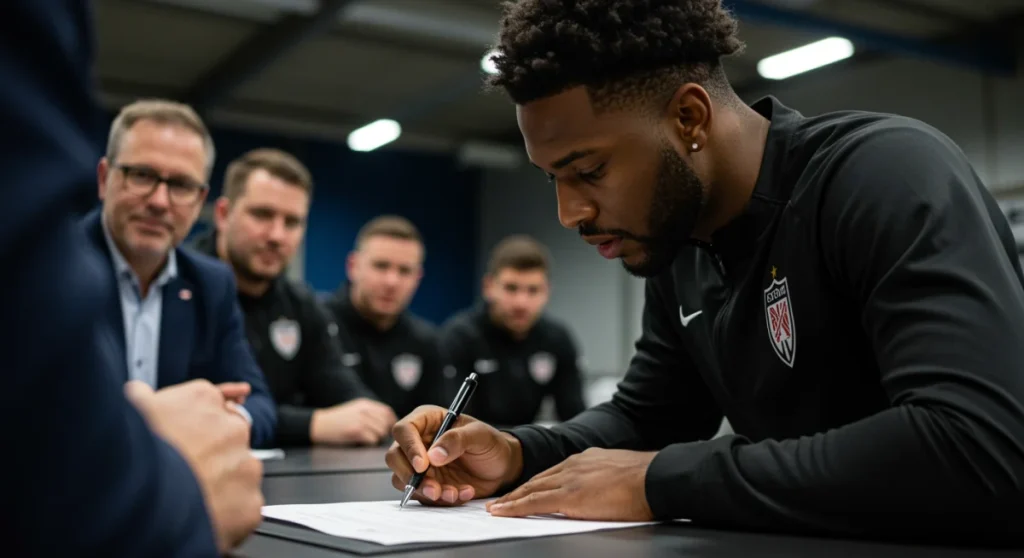
Early 2026 presents crucial contract renegotiation deadlines for several prominent football stars, significantly shaping the upcoming transfer windows and club strategies globally.
The world of football is perpetually in motion, not just on the pitch, but crucially behind the scenes where contracts are forged and futures decided. As we approach early 2026, the landscape of player contracts is set to undergo significant shifts, with several high-profile stars reaching pivotal points in their current agreements. Understanding these star player contract deadlines is essential for any fan, club official, or agent looking to navigate the intricate web of transfer rumors and strategic planning that defines modern football.
The January 2026 Window: A Pre-Contractual Frenzy
The January transfer window is often a period of frantic activity, but for players entering the final six months of their contracts, it takes on an entirely different dimension. These athletes become eligible to sign pre-contract agreements with new clubs, securing their future moves for the summer, often on a free transfer. This looming deadline creates immense pressure on their current clubs to either secure an extension or facilitate a sale to avoid losing a valuable asset without compensation.
For star players, this period is particularly fraught with strategic decisions. Do they commit to their current club, seeking improved terms and a continued role? Or do they explore options elsewhere, potentially for a new challenge, higher wages, or a more prominent position? The answers to these questions will define the transfer market narratives of 2026.
Player Power in Negotiations
When a player enters the final six months of their contract, their bargaining power significantly increases. This is because clubs risk losing them for free, making them more amenable to meeting salary demands or offering longer-term security. Agents play a crucial role here, leveraging this power to secure the best possible deals for their clients.
- Increased salary demands and signing bonuses are common.
- Players can demand specific clauses, such as release clauses or performance incentives.
- The ability to choose their next destination without a transfer fee is a major advantage.
The tension between player ambition, agent strategy, and club financial imperatives makes the January 2026 window a fascinating spectacle. Clubs must balance their desire to retain talent with the economic realities of their balance sheets.
February 2026: The Last-Ditch Extension Efforts
Following the close of the January transfer window, February often becomes a period of intense, often desperate, negotiations for clubs who failed to either sell or extend the contracts of their star players. With no immediate opportunity to offload the player, the focus shifts entirely to securing an extension to prevent a free transfer in the summer. This deadline is critical as it represents the final practical window for clubs to retain control over their assets before the summer free agency period looms large.
Clubs might offer significantly improved terms, longer contract durations, or even promise a more central role in the team’s future plans. For players, this period could be their last chance to secure a long-term deal with their current employer, potentially avoiding the uncertainty of a summer move. The pressure on both sides is immense, often leading to dramatic breakthroughs or disheartening stalemates.
Impact on Team Morale
Unresolved contract situations can have a tangible impact on team morale and performance. A star player whose future is uncertain might be distracted, or their teammates might feel the tension. Clubs strive to resolve these issues quickly to maintain squad harmony and focus.
- Uncertainty can affect a player’s on-field performance.
- Team dynamics can be disturbed by constant speculation.
- A resolved contract situation can boost morale and stability.
The February deadline is crucial for clubs to salvage situations and ensure stability, both on and off the pitch. Failure to act decisively can have long-lasting repercussions.
March 2026: Free Agency Looms and New Horizons
By March 2026, for star players whose contracts are expiring in the summer and who haven’t signed an extension or a pre-contract, the reality of free agency becomes increasingly clear. This period marks a shift in focus from negotiations with their current club to actively exploring options with potential new suitors. While pre-contracts might have been signed in January, those who held out now have the full breadth of the market open to them, often leading to a bidding war for their services.
Clubs interested in these players intensify their recruitment efforts, making concrete offers and presenting their vision for the player’s role. For the players, it’s a time of careful consideration, weighing financial incentives against sporting ambitions, club culture, and geographical preferences. The decision made in March will heavily influence the trajectory of their career for the next few years.
Agent’s Role in Market Exploration
During this phase, agents are working tirelessly, compiling offers, arranging meetings, and negotiating terms with multiple clubs. Their expertise in understanding market value and player aspirations is paramount.
- Agents present a player’s profile to interested clubs.
- They manage multiple offers and counter-offers.
- Ensuring the player’s long-term career goals are met is key.
The month of March is a period of intense activity for free agents, as they meticulously plan their next career move, often with significant financial implications.

April 2026: Final Decisions and Summer Transfer Planning
As April 2026 arrives, many star players who are set to become free agents will be making their final decisions regarding their next club. The flurry of initial offers and exploratory talks from March begins to narrow down to a select few serious contenders. This period is crucial for both players and clubs, as definitive commitments start to be made, shaping the summer transfer window even before it officially opens.
Clubs will be keen to secure their targets early, allowing them to focus on other areas of squad development and avoid protracted sagas. For players, solidifying their future provides a sense of stability and allows them to concentrate fully on their performances for the remainder of the season. The transfer rumors that have been simmering for months begin to crystallize into concrete agreements, often leaked to the media, further fueling speculation.
Strategic Recruitment Advantages
Securing a star player on a free transfer in April offers significant strategic advantages to the acquiring club. It allows them to allocate their transfer budget to other positions or to players who still have time remaining on their contracts.
- Clubs can plan their pre-season more effectively.
- Financial resources can be reallocated to other key signings.
- Early signings boost fan excitement and confidence.
April is a decisive month, where the groundwork laid in previous months culminates in the final choices that will define many clubs’ fortunes for the upcoming season.
May 2026: End of Season Implications and Farewell Announcements
May 2026 marks the official end of the domestic football season for most leagues, bringing with it a wave of farewell announcements and confirmed free agent moves. For star players whose contracts expire in June, this is the final month they will represent their current clubs. Emotions often run high, with fans and teammates bidding adieu to beloved figures who are moving on to new challenges. This deadline is not about negotiation but about transition, as players prepare for their next chapter.
Clubs will typically make official announcements regarding departures, often accompanied by heartfelt tributes to players who have contributed significantly. Simultaneously, new clubs might begin to unveil their pre-contract signings, generating excitement for the upcoming season. The focus shifts from the drama of negotiations to the anticipation of new beginnings and the impact these transfers will have on the competitive landscape.
Fan Engagement and Legacy
The end of a player’s tenure is a significant moment for fans. Clubs often organize special events or tributes to acknowledge a player’s contributions, solidifying their legacy at the club even as they depart.
- Clubs organize farewell ceremonies for departing stars.
- Fans express gratitude and well wishes through social media and stadium displays.
- A player’s legacy is celebrated, regardless of their next destination.
May is a month of reflection and anticipation, as the football world prepares for the summer transfer window to fully open and reshape the teams for the season ahead.
June 2026: The Official Free Agent Status
June 2026 signifies the official date when many star players become bona fide free agents, their previous contracts having expired. This is the ultimate deadline for clubs and players alike, as the transfer market officially opens and immediate moves can be completed without any transfer fees. While many deals may have been agreed upon in principle or via pre-contracts in previous months, June is when these moves become legally binding and players can officially join their new teams.
The first few days and weeks of June are often characterized by a flurry of official announcements, medicals, and unveiling ceremonies. For players, it’s the culmination of months of speculation and negotiation, finally beginning a new chapter in their professional careers. For clubs, it’s the moment their strategic planning comes to fruition, as they integrate new talent into their squads in preparation for pre-season training.
Market Dynamics and Opportunity
The free agent market in June is dynamic, offering both clubs and players unique opportunities. Clubs can acquire top talent without a transfer fee, while players have full control over their next career move.
- Clubs can secure high-caliber players at reduced costs.
- Players can negotiate more favorable personal terms.
- The competitive landscape of leagues can shift dramatically with key free agent acquisitions.
June is the month where the chess pieces of the football world are truly moved, setting the stage for the next season’s drama and excitement.
| Deadline Period | Key Implications for Star Players |
|---|---|
| January 2026 | Eligible for pre-contract agreements with new clubs for summer moves. |
| February 2026 | Last practical window for current clubs to secure extensions before free agency. |
| March 2026 | Active exploration of new club options and intense negotiation for free agents. |
| April 2026 | Final decisions on new clubs are made, shaping summer transfer window. |
Frequently Asked Questions About Contract Renegotiations
If a player doesn’t sign a new contract or a pre-contract by the end of January, their current club risks losing them for free in the summer. They can still negotiate, but their leverage diminishes significantly as the player can then choose their next destination without a transfer fee.
No, a club cannot force a player to sign a new contract. While they can offer incentives or apply pressure, the ultimate decision rests with the player. Players are free to explore other options once they are within six months of their contract expiring, or even earlier if their club agrees to a sale.
These deadlines often impact smaller clubs more severely, as they rely heavily on transfer fees for revenue. Losing a star player on a free transfer can be financially devastating. Larger clubs, with greater resources, can absorb such losses more easily or strategically plan for replacements.
Agents are crucial. They represent the player’s interests, negotiate terms, explore market opportunities, and manage communication with clubs. Their expertise can significantly influence the outcome of negotiations, securing better deals and career paths for their clients during these critical periods.
Waiting too long can carry risks for players. While it might lead to better offers, it could also mean fewer options if clubs fill their quotas. Injuries or a dip in form could also diminish their market value. Balancing patience with decisive action is a key aspect of their strategy.
Conclusion
The period leading up to and through early 2026 is set to be a captivating chapter in the ongoing narrative of football transfers. The five critical deadlines discussed – from the pre-contractual opportunities in January to the official free agency status in June – underscore the intricate dance between star players, their agents, and clubs. These moments are not merely administrative checkpoints; they are strategic battlegrounds where careers are shaped, club fortunes are decided, and the very fabric of competitive football is rewoven. Understanding these dynamics offers a deeper appreciation for the complexities that underpin the beautiful game, proving that the drama off the pitch can be just as compelling as the action on it.