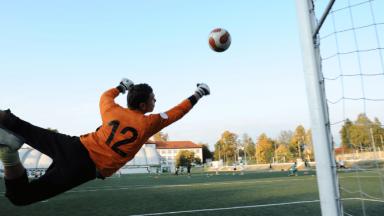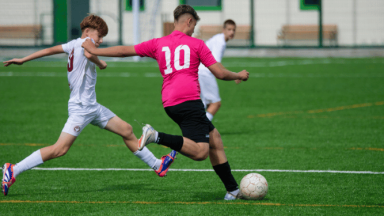
The next generation of US soccer player profiles for 2026 will be defined by a blend of technical skill and crucial, often underrated, attributes that extend far beyond conventional statistics, emphasizing mental fortitude and adaptability.
As the 2026 World Cup on home soil approaches, the discourse around identifying and developing talent for the US Men’s National Team intensifies. While traditional metrics like goals, assists, and passing accuracy remain vital, understanding the true potential of the next generation of US Soccer Player Profiles 2026 requires looking beyond the obvious. What truly separates a good player from a great one often lies in less tangible, yet equally critical, attributes?
The evolving landscape of US soccer talent identification
The United States’ soccer landscape is undergoing a significant transformation, driven by increased investment in youth academies, improved coaching education, and a growing passion for the sport. This evolution necessitates a more nuanced approach to talent identification, one that acknowledges the complexities of modern soccer and the psychological demands placed on elite athletes. Simply identifying players with raw physical talent or impressive basic statistics is no longer sufficient to build a competitive national team.
Instead, scouts and coaches are increasingly tasked with evaluating a broader spectrum of qualities, recognizing that success at the highest levels of the game is a multifaceted endeavor. The pressure of international competition, the tactical intricacies of elite play, and the need for seamless team integration all demand players who possess more than just technical prowess. This shift in focus is crucial for developing players who can truly make an impact on the world stage.
Holistic player assessment
Modern talent identification involves a comprehensive evaluation that considers a player’s physical, technical, tactical, and psychological dimensions. It’s about understanding how these elements interact and contribute to overall performance, both individually and within a team context. This holistic view ensures that no crucial aspect of a player’s development is overlooked.
- Physical Development: Beyond raw speed and strength, assessing agility, endurance, and injury resilience.
- Technical Mastery: Evaluating ball control, passing range, shooting accuracy, and dribbling ability under pressure.
- Tactical Acumen: Understanding game intelligence, spatial awareness, decision-making, and ability to read the game.
- Psychological Profile: Analyzing mental toughness, leadership, adaptability, and communication skills.
The goal is to identify players who not only excel in specific areas but also demonstrate the potential for continuous growth and adaptation to different playing styles and environments. This forward-thinking approach is essential for building a squad capable of competing at the highest level in 2026 and beyond.
Mental fortitude and resilience under pressure
In the high-stakes environment of international soccer, mental fortitude and resilience are paramount. Players must be able to perform under immense pressure, recover quickly from setbacks, and maintain focus throughout demanding matches. These psychological attributes are often the differentiator between promising talent and consistent elite performers, especially when the stakes are as high as a home World Cup.
The ability to remain calm in chaotic moments, make critical decisions under duress, and bounce back from errors or missed opportunities is invaluable. This isn’t just about individual strength; it also impacts team cohesion and collective performance when facing adversity. Coaches are now actively seeking out players who demonstrate these qualities consistently.
Thriving in adversity
Elite soccer is filled with moments of adversity, from conceding a late goal to facing a hostile crowd. Players who thrive in these situations, rather than shrinking from them, possess a significant advantage. Their ability to maintain composure and execute under pressure can turn the tide of a game.
- Composure: Maintaining emotional control during intense match situations.
- Adaptability: Adjusting to unexpected tactical changes or opponent strategies.
- Self-belief: Trusting one’s abilities even after making mistakes.
- Emotional Regulation: Managing frustration and excitement effectively.
These traits are not always innate; they can be developed through targeted training and exposure to challenging scenarios. Identifying players with the foundational psychological makeup to cultivate these attributes is a key aspect of modern scouting.
Tactical intelligence and spatial awareness
Modern soccer is a highly tactical game, demanding players who can not only execute technical skills but also understand the strategic nuances of the sport. Tactical intelligence and spatial awareness are critical for effective decision-making, allowing players to anticipate plays, create passing lanes, and maintain defensive shape. These cognitive attributes are often overlooked in favor of more flashy technical skills, yet they are the bedrock of consistent performance.
A player with high tactical intelligence can quickly process complex game situations, understand their role within the team’s overall strategy, and react appropriately. Spatial awareness enables them to perceive the positions of teammates, opponents, and the ball, making informed decisions about movement and passing options. This goes beyond simply following instructions; it involves a deep understanding of the game’s flow.
Reading the game
The ability to ‘read the game’ is a hallmark of truly intelligent players. This involves anticipating opponent movements, recognizing defensive vulnerabilities, and understanding when to accelerate play or slow it down. It’s a skill that develops with experience but is also rooted in innate cognitive abilities.
- Anticipation: Foreseeing opponent actions and positioning to intercept or block.
- Decision-making speed: Making correct choices rapidly under pressure.
- Off-ball movement: Creating space for teammates or drawing defenders away.
- Positional discipline: Maintaining defensive shape and understanding coverage responsibilities.
Coaches are increasingly prioritizing players who demonstrate this high level of tactical understanding, as it allows for greater flexibility and adaptability within different formations and against varied opponents. These players become the on-field strategists, guiding their teams through complex passages of play.
Leadership and communication on the field
While often associated with captains, leadership and effective communication are essential attributes for every player on the field. The ability to organize, motivate, and guide teammates, even subtly, can significantly impact a team’s performance. These qualities are especially crucial for a successful national team, where players from different clubs and backgrounds must quickly form a cohesive unit.
Communication isn’t just about shouting instructions; it encompasses non-verbal cues, active listening, and the ability to convey tactical information clearly and concisely. Leaders emerge not just through vocal commands but also through their actions, work ethic, and ability to inspire confidence in those around them. Identifying these natural leaders early in their development is a significant advantage.
Fostering team cohesion
A strong leader can help bridge gaps, resolve conflicts, and maintain morale, particularly during challenging periods in a match. Effective communicators ensure that tactical plans are understood and executed by everyone, minimizing misunderstandings and maximizing collective effort.
- Vocal guidance: Directing teammates on positioning and marking.
- Positive reinforcement: Encouraging and motivating during difficult moments.
- Organizational skills: Helping to set up set pieces or defensive blocks.
- Leading by example: Demonstrating high effort and commitment.
These leadership and communication skills are not always reflected in statistics, but their impact on team dynamics and overall performance is undeniable. Developing players who can take ownership and responsibility on the field is vital for any successful squad.
Adaptability to multiple positions and systems
The modern game demands versatility. Players who can comfortably operate in multiple positions or adapt to different tactical systems offer invaluable flexibility to a coaching staff. This adaptability allows teams to switch formations mid-game, cover for injuries, or exploit opponent weaknesses more effectively. For the USMNT, which draws players from diverse leagues and tactical philosophies, this trait is particularly valuable.
A player who is rigidly tied to one position or one style of play can limit a team’s options. Conversely, a versatile player can seamlessly transition between roles, understanding the different responsibilities and demands of each. This is not just about physical capability but also about mental flexibility and tactical understanding.
The versatile athlete
Versatility is about more than just being able to play different positions; it’s about understanding the core principles of each role and applying them effectively. This requires a deep tactical understanding and a willingness to learn and adjust.
- Role flexibility: Performing effectively as a winger, attacking midfielder, or even a wing-back.
- Tactical understanding: Grasping the nuances of various formations (e.g., 4-3-3 vs. 3-5-2).
- Quick learning: Rapidly internalizing new tactical instructions or responsibilities.
- Problem-solving: Adjusting personal game to overcome unexpected challenges.
Identifying and nurturing players with this inherent adaptability ensures that the national team will have a deeper and more flexible pool of talent, capable of responding to any challenge that arises during a major tournament like the World Cup.
Work rate and defensive contribution from all
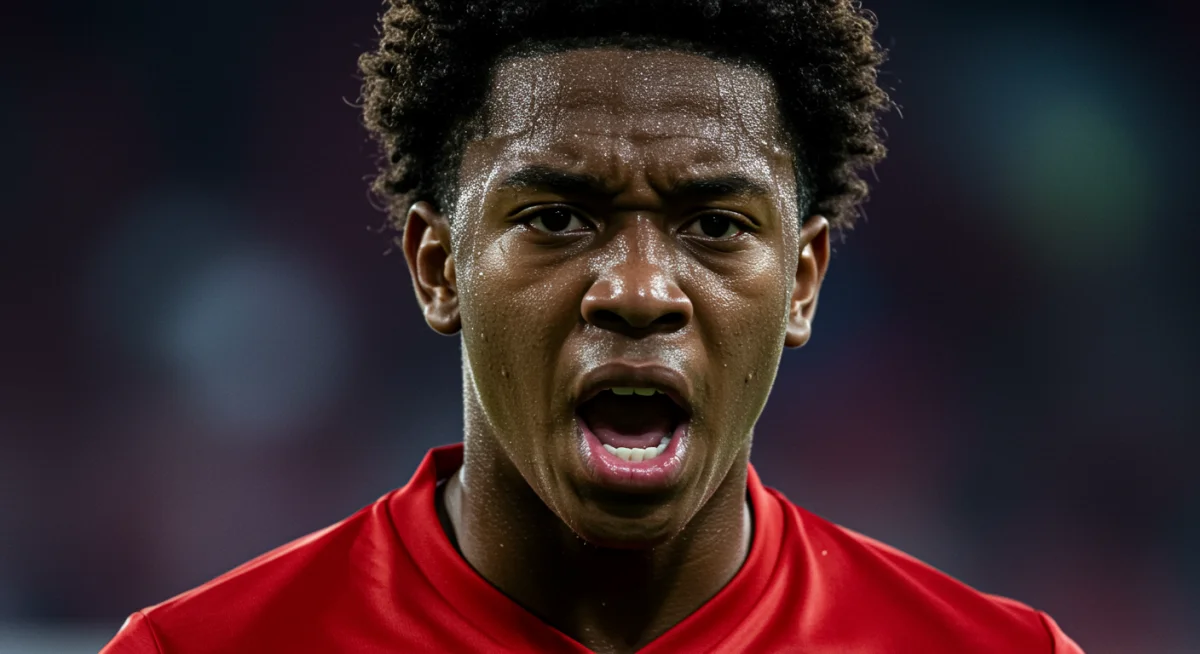
The days of attackers being solely responsible for offensive duties are long gone. Modern soccer demands a high work rate and defensive contribution from every player on the field, regardless of their primary position. This collective effort is crucial for pressing opponents, winning back possession, and maintaining defensive solidity. Players who shirk their defensive responsibilities create vulnerabilities that elite opponents will ruthlessly exploit.
This attribute is about more than just fitness; it’s about a fundamental commitment to the team’s collective defensive effort. It involves intelligent pressing, tracking back, and supporting teammates in defensive transitions. Coaches are increasingly valuing players who demonstrate this consistent two-way play, as it elevates the entire team’s performance.
The modern pressing game
High-intensity pressing and counter-pressing are hallmarks of successful modern teams. This requires every player to contribute defensively, closing down space and forcing turnovers. A single player failing to engage can compromise the entire system.
- Pressing intensity: Applying continuous pressure to opponents in possession.
- Tracking back: Running back to help defend when possession is lost.
- Defensive transitions: Quickly shifting from attack to defense.
- Covering space: Filling gaps and supporting teammates defensively.
Players who consistently demonstrate a high work rate and defensive contribution, even when playing in advanced roles, are increasingly seen as indispensable. This commitment to the collective is a key indicator of a player’s suitability for international soccer.
Decision-making speed and accuracy
In the blink of an eye, a soccer match can change. The ability to make quick, accurate decisions under pressure is a critical, yet often unheralded, attribute that defines elite players. This isn’t just about technical execution; it’s about processing information rapidly and choosing the optimal action in a split second. Whether it’s a pass, a shot, a dribble, or a defensive intervention, the speed and accuracy of decision-making can dictate the outcome of a play.
Players who consistently make good decisions minimize turnovers, create scoring opportunities, and prevent dangerous situations. This cognitive skill transcends position and is a universal requirement for success at the highest levels. It often goes unnoticed by casual observers but is highly valued by coaches and analysts.
Cognitive processing on the pitch
Decision-making speed is a complex interplay of perception, anticipation, and execution. Players must quickly assess the situation, predict potential outcomes, and select the most effective response. This involves rapid cognitive processing and a deep understanding of the game.
- Vision: Scanning the field to identify options and threats.
- Risk assessment: Evaluating the potential rewards and dangers of different actions.
- Execution under pressure: Implementing the chosen decision with precision.
- Adaptation to dynamics: Adjusting decisions as the game state changes.
Developing players with superior decision-making abilities is a cornerstone of modern player development. These are the players who can unlock defenses, control the midfield, or shut down attacks with their intelligence and precision.
Curiosity and continuous learning
The game of soccer is constantly evolving, with new tactics, training methods, and analytical insights emerging regularly. Players who possess a genuine curiosity and a commitment to continuous learning are better equipped to adapt and improve throughout their careers. This attribute goes beyond coach-led training; it reflects a player’s intrinsic desire to understand the game more deeply, refine their skills, and explore new ways to enhance their performance.
A curious player might analyze their own performances, study opponents, or seek out additional training resources. This proactive approach to self-improvement is a strong indicator of long-term potential and a dedication to reaching the highest levels of the sport. It ensures that players remain relevant and effective as the game continues to change.
The growth mindset
A growth mindset, characterized by the belief that abilities can be developed through dedication and hard work, is closely linked to curiosity and continuous learning. Players with this mindset view challenges as opportunities for growth rather than insurmountable obstacles.
- Self-reflection: Critically evaluating one’s own performance and identifying areas for improvement.
- Openness to feedback: Actively seeking and implementing advice from coaches and teammates.
- Game study: Watching matches, analyzing tactics, and understanding different playing styles.
- Physical and mental development: Exploring new training techniques and psychological strategies.
Identifying players who exhibit this thirst for knowledge and self-improvement is crucial for building a national team that can consistently adapt and innovate. These are the players who will not only succeed in 2026 but also continue to push the boundaries of what is possible in American soccer.
| Attribute | Description |
|---|---|
| Mental Fortitude | Ability to perform under pressure and recover from setbacks. |
| Tactical Intelligence | Capacity to read the game, anticipate plays, and make smart decisions. |
| Adaptability | Versatility to play multiple positions and fit various tactical systems. |
| Work Rate | Consistent defensive contribution and high intensity from all players. |
Frequently Asked Questions About US Soccer Player Development
Non-statistical attributes are crucial because modern soccer demands more than just technical skill. Mental fortitude, tactical intelligence, and adaptability are vital for performing under pressure, making split-second decisions, and thriving in complex tactical systems, especially at the international level where stakes are high.
Mental fortitude can be developed through targeted psychological training, exposure to high-pressure game simulations, and consistent coaching that emphasizes resilience and positive self-talk. Creating environments where players learn from mistakes rather than fearing them is also key to building mental toughness.
‘Tactical intelligence’ refers to a player’s ability to understand the strategic aspects of the game, read plays, anticipate opponent movements, and make optimal decisions regarding positioning, passing, and defensive actions. It’s about thinking several steps ahead on the field.
Adaptability is crucial for the 2026 USMNT because it allows coaches to deploy players in various positions and systems, respond to in-game situations, and cover for injuries effectively. A versatile squad enhances tactical flexibility, making the team more unpredictable and resilient against diverse opponents.
A high work rate benefits a soccer team by ensuring collective defensive solidity and relentless pressing. When every player contributes defensively, it minimizes gaps, increases ball recovery, and creates more offensive opportunities. It fosters a cohesive team effort that is difficult for opponents to break down.
Conclusion
The journey to the 2026 World Cup for the US Men’s National Team is not merely about accumulating talent but about identifying and nurturing a generation of players embodying a comprehensive set of attributes. While technical skill and physical prowess remain foundational, the true differentiators will be the less tangible qualities: mental fortitude, tactical intelligence, leadership, adaptability, relentless work rate, sharp decision-making, and an insatiable curiosity for continuous learning. These are the hallmarks of the elite, the traits that allow players to not just compete but truly excel on the biggest stage. By focusing on these underrated aspects, US soccer can forge a national team that is not only statistically impressive but also psychologically robust and tactically astute, ready to make a profound impact when the world’s eyes turn to North America.