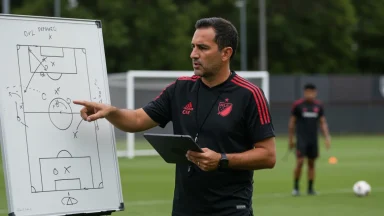
MLS NEXT Pro graduates earning first-team minutes accelerate development by demonstrating consistent training habits, measurable performance metrics and staged game exposure that build coach trust and create sustainable promotion paths while reducing recruitment cost and managing risk for both clubs and players.
MLS NEXT Pro graduates earning first-team minutes often spark the biggest questions: why do some youngsters get real minutes so quickly? Here we unpack coach choices, player traits and real examples to help you see the patterns.
How clubs convert MLS NEXT Pro minutes into first-team trust
MLS NEXT Pro graduates earning first-team minutes stand out when they match strong game displays with dependable habits. Coaches watch consistency as much as flashes of talent.
Clubs favor players who show steady progress, simple decision-making and clear readiness to help the team right away.
Measuring readiness: stats and training form
Teams combine objective data with coach observations to judge a player’s readiness for higher-level minutes.
- Performance metrics: pass accuracy, duels won, and progressive carries that show impact.
- Training consistency: daily effort, punctuality, and how a player follows instructions.
- Mental sharpness: focus under pressure and quick response to tactical changes.
Phased first-team exposure
Clubs introduce young players in planned steps so they can succeed without overload.
- Planned minutes in lower-risk moments, like late substitutions or cup games.
- Clear roles so the player knows exact tasks and limits on freedom.
- Feedback loops with coaches and mentors after each appearance.
Some clubs use short loans or integrated training weeks to test a player in different systems. These moves focus on growth, not just exposure.
Communication is key: shared video review, aligned goals between coaches, and small, measurable targets help a youngster build trust fast.
When clubs pair clear metrics, staged minutes and active coaching, they convert MLS NEXT Pro time into lasting first-team trust that benefits the player and the squad.
Player pathways: skills, metrics and coach priorities
MLS NEXT Pro graduates earning first-team minutes often follow clear development paths shaped by skills, data and coach priorities. Knowing these steps helps players make better choices.
Below we outline the main abilities clubs value, the metrics they track, and how coaches decide who moves up.
Core skills clubs look for
Clubs want players who solve problems quickly and reliably on the field.
- Technical control: clean first touch, accurate passing under pressure, and solid ball retention.
- Tactical understanding: positioning, reading the game, and following team shape.
- Physical traits: stamina, speed for the role, and recovery between efforts.
- Mental strength: resilience after mistakes and steady focus in tight moments.
Key performance metrics coaches monitor
Numbers support what coaches see in training and matches. Metrics help separate short-term form from real progress.
- Pass completion and progressive passes that move the team forward.
- Defensive actions: interceptions, tackles won, and recoveries in crucial zones.
- Chance creation: key passes, successful dribbles, and shots on target.
- Work-rate data: distance covered and sprint frequency during matches.
Clubs combine video clips with stats to build a fuller picture. A high metric in one game must match steady practice habits to mean promotion readiness.
Coaches also weigh context: opponent strength, match state, and team needs. A player who excels in pressure moments may earn trust faster than one with good raw numbers only.
Communication is part of the pathway. Clear targets, regular feedback and small, measurable steps make the jump to the first team less risky for coaches and more manageable for players.
When skills, reliable metrics and coach priorities align, a pathway opens that turns MLS NEXT Pro minutes into lasting first-team opportunities for young players.
Case studies of young pros who earned early starts
MLS NEXT Pro graduates earning first-team minutes can follow very different stories. These case studies show common moves that led to early starts for promising players.
Each example highlights a clear trigger, what coaches noticed, and the small steps that changed a player’s status.
Impact substitute who seized a moment
A young winger entered late during a tight league match and delivered a decisive assist. The instant impact made coaches trust his decision-making under pressure.
- Preparedness: sharp warm-up and role clarity before entering the game.
- Decision quality: simple, effective choices instead of risky flair.
- Coach response: quick positive feedback and a planned second substitute appearance.
That single strong cameo became a reference clip in reviews. Staff used it to justify more minutes and greater responsibility.
Loan return that accelerated promotion
A defensive midfielder went on a short loan to a competitive environment and returned with improved timing and confidence. His loan matches showed steady stats rather than a single highlight.
The club tracked his match minutes, duel win rate and recovery speed. These steady gains convinced the coaching team to start him in a cup tie and then in a league rotation.
Integrated training breakthrough
One academy attacker trained with the first team for several weeks. Daily work showed tactical fit and reliable habits.
- Consistency in drills that matched first-team standards.
- Coachability: quick uptake of tactical cues and limited errors in practice matches.
- Small measurable goals set weekly and met on video review.
Regular feedback from the head coach and a mentor reduced risk and built trust faster than isolated game flashes.
Across these cases, patterns repeat: clear role definitions, measurable progress, and moments that align with team needs. Clubs rarely promote on talent alone; they promote on readiness shown in context.
These case studies show how timing, preparation and simple, repeatable actions helped convert MLS NEXT Pro minutes into lasting first-team chances.
What this trend means for players, agents and fans
MLS NEXT Pro graduates earning first-team minutes change how careers start. Early minutes speed exposure and raise new questions for players, agents and fans.
Each group faces choices: act fast, plan smart, and expect learning curves.
Players: seize the moment and stay steady
Young players must balance impact with control. A strong cameo helps, but repeatable habits win trust.
- Consistency in training and matches builds reliability.
- Clear roles make it easier to perform for the coach.
- Open feedback from staff speeds improvement after each appearance.
Agents: manage timing and true value
Agents should look beyond one good match. Early minutes can raise market interest, but long-term growth matters more.
- Negotiate development clauses that protect playing time and progress.
- Choose loans wisely to ensure competitive minutes and tactical fit.
- Balance exposure with stability to avoid rushed transfers.
Fans get fresh stories and homegrown pride when youth step up. Early stars create buzz and stronger bonds between supporters and the club.
Clubs gain clear returns when promotion paths work: lower recruitment cost, a pipeline of talent, and stronger club identity. But they must manage risk and set realistic steps.
Communication matters: shared goals between player, agent and club reduce surprises. Simple metrics and honest reviews keep progress visible.
In short, this trend rewards readiness and planning. Players should focus on steady growth, agents on measured moves, and fans on patient support as young pros adapt to higher stakes.
MLS NEXT Pro graduates earning first-team minutes succeed when clubs pair clear metrics, staged minutes, and active coaching. Players advance with steady habits, simple decisions, and repeatable performance.
Agents and fans benefit from patience and clear communication so young pros can grow into reliable first-team contributors.
FAQ – MLS NEXT Pro graduates and first-team minutes
How do clubs decide to give MLS NEXT Pro players first-team minutes?
Clubs use match data, training performance and coach observations. They plan staged minutes, set clear roles and test players in low-risk moments before increasing time.
What should players focus on to earn early minutes?
Focus on consistency in training, smart decision-making, tactical awareness and coachability. Small, repeatable actions matter more than one highlight.
How can agents help young players secure meaningful playing time?
Agents should seek loans or contracts that guarantee development opportunities, prioritize clubs with clear pathways, and negotiate terms that protect playing time.
What do fans and clubs gain from promoting MLS NEXT Pro graduates?
Fans get homegrown stars and increased engagement. Clubs benefit from lower recruitment costs and a stronger identity, but success requires patience and clear planning.